Mudassir Ali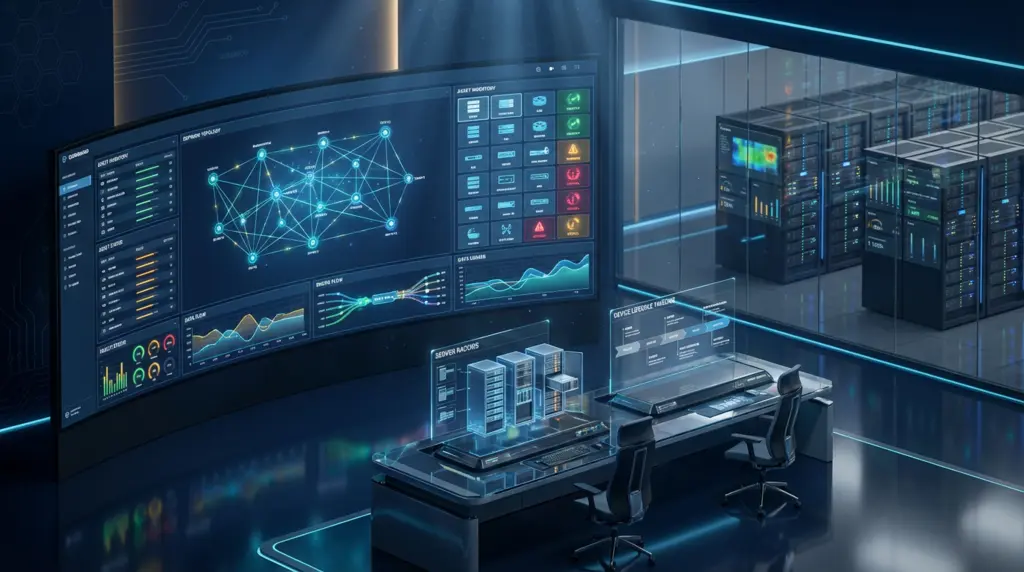
Resilience is no longer just a buzzword in IT—it’s a necessity as organizations navigate an increasingly complex digital environment. With networks becoming the backbone of business continuity, even a minor disruption can spell significant operational headaches. A disciplined approach to inventory management, supported by leading network inventory management software, is a critical factor in keeping systems operational and secure. By consistently tracking assets across the infrastructure, businesses can preempt issues, improve budgeting, and address vulnerabilities proactively.
Inventory management is more than just logistics; it gives IT managers the information and transparency necessary for planning growth and minimizing risks. Complete asset records cut down downtimes in case of incidents since the teams can easily locate trouble spots, take educated decisions on upgrades, and set up repair or replacement procedures long before a failure stops the operations.
Besides, combining technology-driven methods with inventory management opens up fresh avenues for efficiency and cost control. IT departments that are aware of their asset situation can redistribute hardware and software more efficiently, prolong the use of devices, and direct funds towards the most pressing needs based on actual usage rather than speculation.
Understanding IT Inventory Management
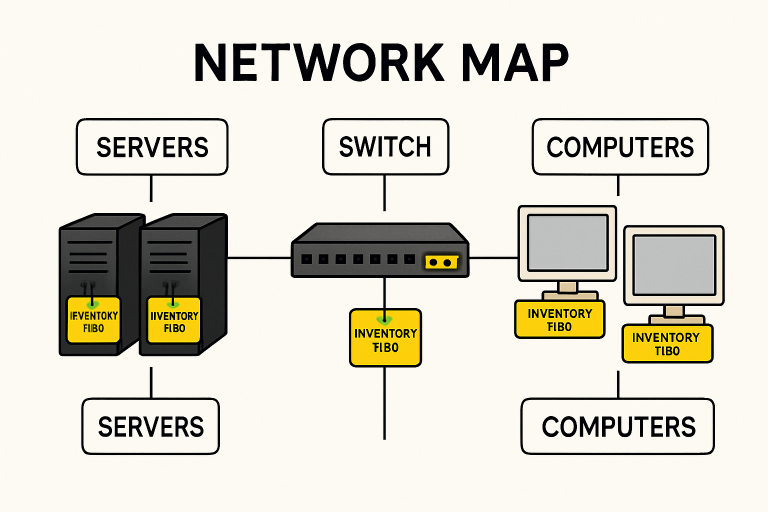
IT inventory management is the structured process by which organizations account for and supervise all technology assets, spanning hardware, software, and network-facing components. Each device, virtual resource, and application is logged, tracked, and maintained to ensure optimal function, compliance, and security. This clarity enables IT departments to accurately forecast needs, budget for replacements or upgrades, and maintain business continuity while aligning with evolving industry regulations.
A company that does not use a modern inventory system runs the risk of losing important assets or exposing confidential information through unused software or old hardware. CIO.com states that a solid inventory management policy is the basis for the informed decision-making process in IT and that it puts the IT investments in direct line with the business as it is done.
The Role of Inventory Management in Network Resilience
Inventory management promotes resilience by allowing organizations to:
- Proactive Maintenance: Timely identification of hardware or software approaching end-of-life supports proactive maintenance, mitigating the risk of sudden outages or vulnerabilities.
- Rapid Incident Response: Accurate, up-to-date records allow teams to quickly identify problem points in the event of an incident, significantly reducing downtime and limiting the blast radius of breaches or failures.
- Resource Optimization: Visibility into utilization patterns enables IT leaders to allocate resources more efficiently, moving underused equipment to cover gaps and reducing wasted expenses.
Challenges in IT Inventory Management
Despite its benefits, organizations face persistent hurdles when it comes to effective inventory management:
- Complex Asset Ecosystems: The modern IT environment may manage thousands of devices and systems, each with unique configurations and life-cycle requirements. Tracking these elements without automation often leads to gaps.
- Data Accuracy: Manual processes or infrequent updates can cause data drift, leading to misallocation, security gaps, and compliance risks.
- System Integration: Aligning inventory management tools with existing platforms like asset tracking, security monitoring, and procurement systems can be difficult, but it is fundamental for enterprise-scale deployments.
Best Practices for Effective IT Inventory Management
- Automate Asset Discovery: Deploy automated solutions for real-time device and application tracking to minimize human error and ensure accurate records.
- Routine Inventory Audits: Schedule regular audits (quarterly or biannually) to compare actual inventory with recorded data and remediate discrepancies quickly.
- Standardized Documentation: Maintain consistent formats and terminology across all documentation for hardware, software, and network resources, enabling easier audits and compliance reporting.
- ITSM Integration: Build inventory management into IT service management (ITSM) workflows so asset-related incidents, service requests, and changes are always logged and tracked in sync.
Leveraging Technology for Enhanced Inventory Control
- Internet of Things (IoT): IoT sensors and gateways enable real-time tracking and maintenance alerts for both on-premises and remote IT assets, improving inventory visibility and reducing shrinkage and loss. These systems also support automated reporting and maintenance scheduling, which amplifies human capabilities.
- Artificial Intelligence (AI): Machine learning models can analyze usage patterns to predict demand spikes and failures, optimizing stock levels and improving budgeting for refresh cycles.
- Blockchain for Transparency: Blockchain solutions create immutable records for high-value inventory, supporting proof of ownership, origin, and warranty integrity while reducing audit overhead and fraud risk.
Final Thoughts
The backbone of business resilience is a robust IT inventory management system. The more complex the asset environments and the more widespread the threats, the better-off the companies that invest in automation, integration, and cutting-edge technologies will be. They will be in the forefront, not just in the shadows, during the digital disruptions that are to come. Implementation of first-rate inventory solutions and incorporation of best practices will not only secure the network infrastructure but also bring down the operational risks and guide the companies through the increasing requirements of the market, which is gradually becoming digital-first.



 Abdul Abdul Razaque