Mudassir Ali
Key Takeaways
- Federal and state laws provide valuable protections for car owners facing chronic vehicle defects.
- Documenting all issues and repair attempts is critical to building a strong claim.
- Understanding recent changes to lemon law, especially in states like California, is essential for used-car buyers.
- Legal professionals can offer important guidance on the best remedy for your specific situation.
Discovering a persistent problem with your car can leave any vehicle owner feeling overwhelmed, especially if safety or value is at risk. Knowing your rights and the legal options available is indispensable for getting your car and your confidence back on track. For those in California who need immediate assistance, a lemon law lawyer in Los Angeles can be a valuable resource to help interpret your rights and guide you through the next steps.
Defective vehicles aren’t just an inconvenience they can impact your safety, finances, and peace of mind. By understanding the relevant laws and being proactive, consumers can often resolve these complicated issues efficiently. Staying up to date on recent changes, especially in states with evolving consumer protections, is more important than ever for car buyers and owners alike.
Vehicle defects range from minor annoyances to critical safety issues, and the range of legal remedies available means you don’t have to face the situation alone. While federal rules offer a broad safety net, state statutes, such as California’s lemon law, add layers of support or, in some cases, limitations for used-car purchasers.
Gaining a firm grasp of the basics will help you make informed decisions, protect your investment, and know when to escalate to legal action if needed. For a comprehensive discussion of federal lemon law protections, the Federal Trade Commission’s Warranty Law Guide is an excellent authoritative resource.
Understanding Vehicle Defects
A vehicle defect is any flaw or malfunction that undermines the safe use, value, or reliability of your car. Common issues include defective brakes, faulty transmissions, recurring electrical issues, or malfunctioning airbags. Early detection and prompt attention to such problems are crucial for maintaining your safety and reducing longer-term repair costs.
At the national level, car owners are protected by the Magnuson-Moss Warranty Act. This law compels manufacturers and dealers to honor the terms of written warranties. When a car can’t be fixed after a “reasonable” number of attempts, federal law may require the manufacturer to issue a refund or replacement. The Act also gives consumers the right to seek legal fees and damages when manufacturers refuse to comply with their obligations. Learn more about how the federal warranty law works through the Consumer Reports guide on warranty rights.
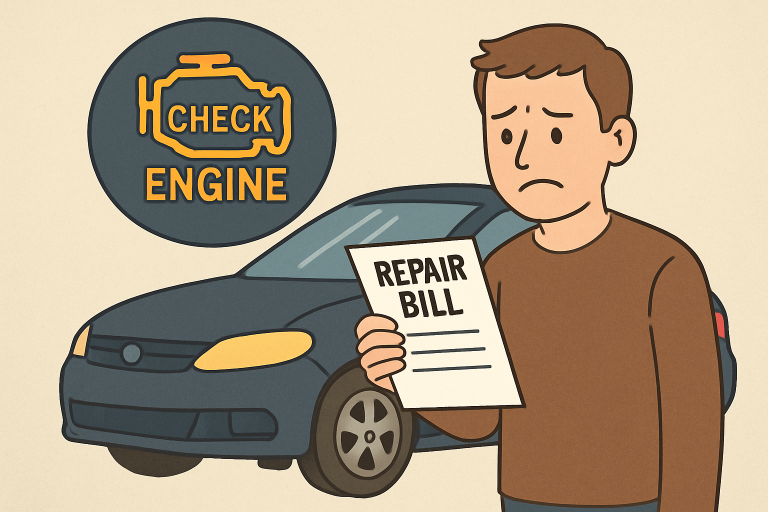
State-Specific Lemon Laws
In addition to federal safeguards, each state has its own lemon laws with unique rules and timelines for resolving vehicle defects. State laws typically compel manufacturers to buy back or replace vehicles that remain unfixed after several valid attempts. Notably, California’s lemon law has undergone significant updates that affect used-car buyers. Under a recent court ruling, vehicles with an unexpired manufacturer’s warranty but not covered by a new warranty at the time of the used sale may now be excluded from lemon law protections. Only vehicles sold as Certified Pre-Owned (CPO) still qualify, placing increased responsibility on buyers to carefully investigate warranty status before purchase.
Steps to Take If You Suspect a Defect
- Document Everything: Maintain thorough records of all repair visits, receipts, communications with repair facilities, and any relevant warranty documents.
- Understand Your Warranty: Review your vehicle’s warranty to know what’s covered, and make sure to follow all required procedures for filing complaints or seeking repairs.
- Seek Legal Advice: If your vehicle remains defective after several repair attempts, consult an experienced attorney specializing in automotive and lemon law for tailored advice and next steps.
Alternative Legal Remedies
If your car falls outside the strict lemon law guidelines, alternative legal remedies may still be accessible. Product liability laws allow consumers to hold manufacturers accountable for serious defects that cause financial loss or injury. Small claims courts and consumer mediation services may also help resolve disputes when the lemon law doesn’t apply. Consulting a legal professional can help you decide which path makes the most sense for your scenario.
Preventive Measures When Purchasing a Vehicle
- Research Thoroughly: Learn about the specific make and model you’re interested in, including recall history and reported issues.
- Inspect Before You Buy: Have a qualified mechanic conduct a pre-purchase inspection to spot any hidden defects or previous accident damage.
- Understand the Warranty: Make sure you know the details and duration of any warranty you’re relying on, and whether it transfers to new owners if buying used.
Conclusion
Navigating the challenges associated with a defective vehicle often requires a combination of diligent documentation, a thorough understanding of the law, and expert assistance. By staying informed about your rights at the federal and state levels and taking preventive steps during the purchase process, you can better safeguard your investment and resolve vehicle defects more efficiently. If you suspect your car is a lemon or are struggling with the repair process, engaging legal support early can be the key to a satisfactory resolution.


 Rizwan Ali