Lifestyle
Pyntekvister: A Complete Guide to Decorative Branches for Every Season

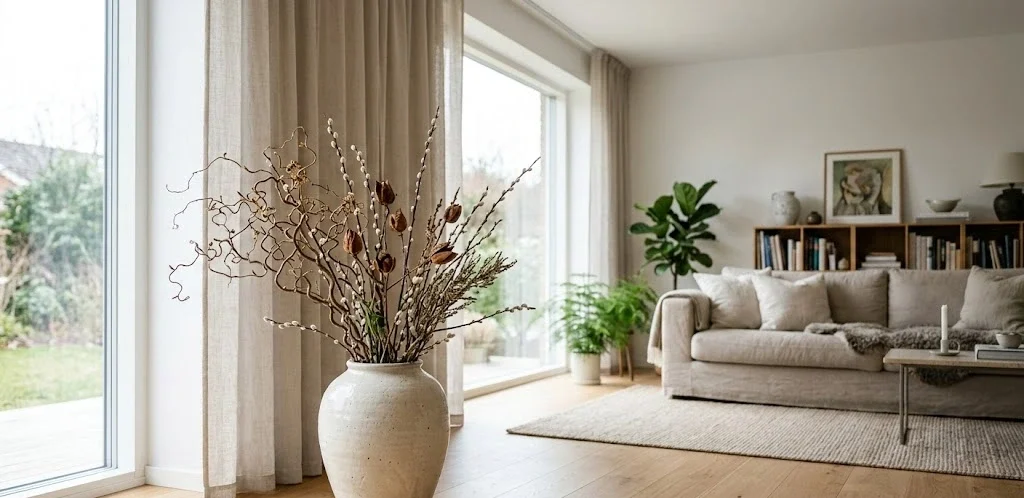
You’ve walked past those stunning arrangements in Scandinavian home stores—those elegant, bare or blooming branches arranged in tall vases that make a room feel instantly warmer and more intentional. That’s the magic of pyntekvister.
Here’s the thing: most people assume beautiful branch décor requires either expensive store-bought pieces or a professional eye. But pyntekvister—the Danish and Norwegian art of decorative twig and branch styling—is something anyone can master with a walk through the backyard and a little know-how.
By the time you finish reading this, you’ll know exactly which branches to pick, how to prepare them, and how to style pyntekvister for every season—no floral design degree required.
Quick win before we go further: The single fastest way to elevate your pyntekvister display? Choose one branch type with a strong silhouette and let it breathe in an oversized vessel. Negative space does more work than you’d think.
What Are Pyntekvister? (And Why They’re Everywhere Right Now)
Pyntekvister (pronounced “PYUN-teh-KVIS-ter”) is a Scandinavian term meaning “decorative twigs” or “decorative branches.” It refers to the practice of cutting branches from trees and shrubs—either bare, budding, or in bloom—and using them as interior or exterior décor.
The concept is rooted in Nordic traditions of bringing nature indoors, particularly during long winters when outdoor beauty is limited. Today, pyntekvister have become a global décor trend embraced by interior stylists, minimalist home enthusiasts, and sustainability-minded decorators who prefer natural materials over synthetic alternatives.
What makes pyntekvister so compelling is their versatility. A single branch of forsythia forced into bloom in January, or a spray of birch twigs arranged in a stone vase, can anchor an entire room’s aesthetic without a single artificial element.
The surprising part: Pyntekvister cost almost nothing. Most of the best varieties grow in ordinary backyards, parks, and along roadsides.
Quick Answers to Top Questions
| Q: When is the best time to cut pyntekvister? Late winter to early spring is ideal for forcing flowering branches into bloom indoors. For foliage or structural branches, late autumn through early winter works well when leaves have dropped and the silhouette is clean. |
| Q: Do pyntekvister need water? Flowering and budding branches absolutely need water to open properly. Structural branches used for their shape—like birch or contorted willow—can be displayed dry. Always cut stem ends at an angle and change water every 2–3 days for best results. |
| Q: How long do pyntekvister last indoors? Forced flowering branches last 2–4 weeks. Bare structural branches can last months or even indefinitely when kept dry. Dried and preserved branches (using glycerin) can last years with no maintenance. |
The Best Branches for Pyntekvister (By Season)
Not all branches are created equal. The right choice depends on what you want—structure, color, texture, or bloom. Here’s how to think about it by season.
Spring Pyntekvister: Forced Flowering Branches
Spring is the classic pyntekvister season. Branches cut in late winter and brought indoors will bloom weeks ahead of schedule—one of the most satisfying effects in home décor.
Best choices for spring forcing:
Forsythia is the gold standard. Bright yellow blooms open within 1–2 weeks even in January, and the arching form is naturally graceful. Cut long branches with multiple buds for the most dramatic effect.
Cherry and plum produce delicate pink-to-white blossoms that rival anything from a flower shop. Ornamental varieties work best; fruit trees produce blooms too.
Magnolia offers large, sculptural buds that open into cup-shaped flowers. The branch structure alone is interesting before blooms appear, making it a two-phase display.
Apple and pear bring smaller, clustered blossoms with a subtle fragrance. They pair beautifully with other spring pyntekvister in mixed arrangements.
How to force branches into bloom:
- Cut branches when daytime temps hover around 40–50°F (4–10°C), about 6–8 weeks before their natural bloom time
- Make a fresh diagonal cut at the stem end and split the bottom 2 inches to increase water uptake
- Place in a tall container with fresh room-temperature water
- Keep in a cool room (60–65°F / 15–18°C) initially, then move to warmer spots as buds begin to swell
- Change water every 2–3 days and mist branches lightly once daily
Most branches open within 1–3 weeks depending on how close to natural bloom time they were cut.
Summer Pyntekvister: Foliage and Texture
Summer pyntekvister shift focus from flowers to leaves. The goal is interesting shape, color variation, and texture that adds life to a room without competing with the abundant outdoor color happening outside your windows.
Eucalyptus has become a dominant force in modern pyntekvister styling. Its silvery-green leaves and clean fragrance make it a year-round staple, but summer is when fresh-cut eucalyptus is most accessible. It also dries beautifully, extending its display life for months.
Smoke tree (Cotinus) produces airy, cloud-like plumes in purple or rust tones that create an almost ethereal display. Cut branches when the plumes are well-developed and use them fresh for maximum effect.
Hops (Humulus lupulus) are underused in pyntekvister but stunning—the trailing vine with papery cones creates a loose, organic arrangement that looks effortlessly relaxed.
Autumn Pyntekvister: Color and Harvest
Autumn delivers some of the most visually dramatic pyntekvister options. This is the season to think about warmth, richness, and the beauty of transition.
Burning bush (Euonymus alatus) turns a brilliant scarlet in fall. Branches cut at peak color and kept in water can hold their leaves for 1–2 weeks indoors.
Maple branches in orange and red are an obvious choice, but smaller branches with intact leaves arranged in a low vessel create a more refined display than stuffing large boughs into a vase.
Bittersweet vine offers orange berries on twisting stems—beautiful alone or mixed with bare branches for contrast.
Winter Pyntekvister: Structure and Evergreen
Winter is when pyntekvister earn their reputation as essential décor. With most plants dormant, branches become architectural elements—pure form without distraction.
Birch is the quintessential winter pyntekvister branch. White bark, clean silhouette, and graceful proportion make birch branches immediately recognizable in Scandinavian-inspired interiors. A bundle of 5–7 birch branches in a ceramic vase is one of the most satisfying winter arrangements you can make.
Contorted willow (Salix matsudana ‘Tortuosa’) offers dramatically twisted stems that look sculptural from every angle. These are striking alone in a tall glass cylinder filled with water.
Dogwood (Cornus sericea) brings unexpected color—bright red, yellow, or coral stems that glow against snow or a white wall. Cut them for their stem color, not for bloom.
Evergreen branches from pine, spruce, cedar, and juniper bring both fragrance and color through the darkest months.
Pyntekvister Styling: 5 Rules That Actually Work
Here’s where most people struggle—not with choosing branches, but with making arrangements that look intentional rather than like they just shoved sticks in a vase.
- Rule 1: Odd numbers always win. Three, five, or seven branches look more natural than even groupings. The eye relaxes with odd numbers in a way it doesn’t with symmetrical arrangements.
- Rule 2: Vary the heights dramatically. The tallest branch should be roughly 1.5–2x the height of your container. Then vary other branches below that anchor point.
- Rule 3: Match the vessel to the branch weight. Heavy, structural branches need solid vessels—stone, ceramic, concrete. Delicate flowering branches look best in glass or slender ceramic.
- Rule 4: Edit ruthlessly. Start with more than you think you need, then remove branches one at a time until the arrangement feels light and spacious.
- Rule 5: Rotate for light. Rotate your arrangement every few days so all sides develop evenly—this matters most for forced flowering branches.
Pyntekvister vs. Cut Flowers: A Real Comparison
| Factor | Pyntekvister | Cut Flowers | Winner |
| Cost | Near-zero (forage) | $15–$80+ | Pyntekvister ✓ |
| Lifespan | Weeks to months | 5–14 days | Pyntekvister ✓ |
| Seasonal variety | High | High | Tie |
| Fragrance | Mild to none | Often strong | Cut Flowers ✓ |
| Visual scale | Large & architectural | Small to medium | Pyntekvister ✓ |
| Sustainability | Very high | Mixed | Pyntekvister ✓ |
| Skill required | Low | Moderate | Pyntekvister ✓ |
Bottom line: For everyday home décor, pyntekvister offer more value, longer life, and greater environmental responsibility than conventional cut flowers. Cut flowers still win for fragrance-forward occasions or when you need dense color fast.
Common Pyntekvister Mistakes (And How to Fix Them)
Mistake #1: Cutting at the wrong time of day. Branches cut in midday heat have reduced water pressure and wilt faster. Cut early morning or early evening when the plant is most hydrated. Arrangements last significantly longer with this single change.
Mistake #2: Skipping the stem preparation. A clean cut dries and seals within minutes, blocking water uptake. Make a fresh diagonal cut immediately before placing in water, and split the bottom inch of woody stems. Flowering branches open more fully and hold their blooms longer.
Mistake #3: Using a vessel that’s too small. Branches need stability to show their natural form, and cramped arrangements lose their visual impact. Choose a vessel where the branches can stand upright without leaning against the sides.
Mistake #4: Placing arrangements in direct sun. Heat and UV light accelerate wilting and fade colors quickly. Display pyntekvister in bright indirect light—beautiful without direct exposure.
Frequently Asked Questions
Can I use pyntekvister branches from any tree?
Most trees and shrubs produce usable pyntekvister branches, but avoid branches from toxic plants like yew, oleander, or black walnut if children or pets are in the home. Always identify what you’re cutting before bringing it inside. Stick to well-known species until you’re confident in identification.
How do I make pyntekvister branches last longer?
Change the water every 2–3 days, recut stems at an angle each time, remove any leaves below the waterline to prevent bacterial growth, and keep the arrangement away from heating vents and direct sunlight. For dried arrangements, no water is needed—simply display in a dry location out of direct UV light.
Where can I forage branches for pyntekvister in the US?
Your own yard is the best starting point. Beyond that, check with neighbors, community gardens, or local parks (always ask permission first). Many municipalities also have tree-trimming programs where residents can take cuttings. Farmers’ markets increasingly sell seasonal branches, and specialty florists carry them in larger cities.
What vases work best for pyntekvister?
Tall ceramic or stone vessels work well for most branch types. Transparent glass cylinders are excellent for showcasing the stem structure of interesting branches like contorted willow. For winter pyntekvister, woven baskets lined with a plastic container add texture and warmth. The rule: the vessel shouldn’t compete with the branch—let one or the other be the visual statement.
Can I dry pyntekvister to keep them permanently?
Yes. Many branch types dry beautifully when hung upside down in a warm, dry space for 2–3 weeks. Eucalyptus, lunaria (money plant), and most seedhead-bearing plants dry exceptionally well. Flowering branches don’t hold their blooms through drying, but the branch structure can still be decorative. Glycerin-preserving extends display life significantly.
Are pyntekvister appropriate for all interior styles?
Absolutely. While pyntekvister have strong associations with Scandinavian minimalism, they adapt to nearly any interior. A tall, spare birch arrangement works in a modernist space. Abundantly flowering cherry branches suit a romantic or eclectic interior. Rough-hewn branches in an earthenware crock fit perfectly in a farmhouse or rustic setting.
Key Takeaways
Pyntekvister bring one of the most accessible and rewarding forms of natural home décor—rooted in Scandinavian tradition but entirely at home in any style of space. The basics are simple: choose branches appropriate to the season, prepare stems properly for water uptake, match the vessel to the visual weight of the branches, and edit for spaciousness rather than abundance.
Your next steps:
- Take a 10-minute walk through your yard or neighborhood and identify 2–3 candidate branches to try this week
- Cut one type of branch using the morning-harvest technique and force-bloom or display it within 24 hours
- Source a tall, simple vessel if you don’t have one—thrift stores are excellent for this
The difference between a room that feels designed and one that doesn’t often comes down to one natural element placed with intention. Pyntekvister give you that element for free, in every season, with almost zero effort once you know the rules.
Pyntekvister don’t need to be complicated. Follow this framework, observe what grows naturally in your region, and let the seasons guide your choices. Nature does most of the design work—your job is just to edit and display.


-
 Blog7 months ago
How Much Does It Cost to Rent a Porta Potty? (2026 Pricing Guide)
-
Lifestyle9 months ago
The Ultimate Guide to Choosing Contact Lenses for Beginners
-
Lifestyle7 months ago
Babydollkaila: The Alt-Fashion Icon Redefining Digital Style
-
News9 months ago
Is Debby Clarke Belichick Still Alive? 2025 Update & Truth
-
Blog7 months ago
Common Questions About Workplace Rights
-
News10 months ago
Hong Kong Fire: The Tragedy That Shook a City
-
Uncategorized7 months ago
Healthy Habits for Supporting Women’s Hair Wellness
-
News9 months ago
Melissa Sinkevics: The Woman Behind the Pageant Crown