Blog
Alaskan Seiti: The Sustainable Fish Your Family Needs

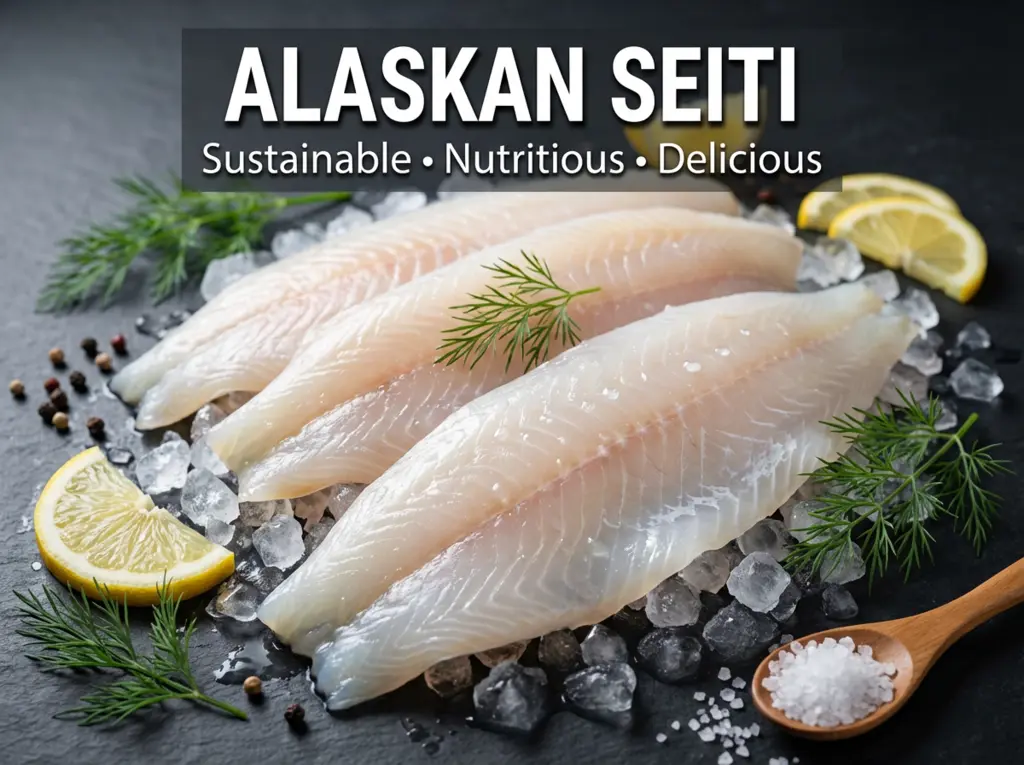
Ever grab frozen fish at the store and wonder if you’re making a smart choice? You’re scanning labels, checking prices, trying to figure out what’s actually healthy and sustainable. Most white fish look exactly the same through that frosted packaging.
Here’s something you should know: Alaskan Seiti might already be in your shopping cart without you realizing it. This mild, flaky white fish appears in everything from fish sticks to your favorite fast-food sandwich. But there’s way more to this underappreciated seafood than meets the eye.
Alaskan Seiti—scientifically known as Alaska pollock—comes from some of the cleanest, coldest waters on Earth. It’s affordable, incredibly versatile in the kitchen, and backed by fishing practices that actually protect our oceans. Whether you’re feeding picky kids, watching your budget, or just want reliable weeknight protein, this fish delivers.
What Exactly Is Alaskan Seiti?
Alaskan Seiti is the common name for Alaska pollock (Gadus chalcogrammus), a white fish belonging to the cod family. You’ll find it swimming in massive schools throughout the North Pacific Ocean, particularly around the Bering Sea and Gulf of Alaska.
The fish has a streamlined silver body with a slightly darker back that helps it blend into ocean depths. Most commercially caught Alaskan Seiti weighs between 1-3 pounds and measures 12-20 inches long. Larger specimens can reach up to 6 pounds, though that’s less common in commercial catches.
What makes this fish stand out is its texture and flavor profile. The flesh is bright white, delicate, and flaky when cooked. Unlike stronger-tasting fish like mackerel or sardines, Alaskan Seiti offers an incredibly mild, slightly sweet flavor. This neutrality makes it a chameleon in the kitchen—it absorbs whatever seasonings, marinades, or sauces you pair it with.
In Scandinavian countries, especially Finland, this fish holds cultural significance. They call it “seiti” and feature it prominently in traditional dishes like uuniseiti (oven-baked seiti) and keitto (fish soup). The name has stuck in international markets, which is why you’ll see both “Alaskan Seiti” and “Alaska pollock” on product labels.
Why Alaskan Seiti Matters for Your Health
Alaskan Seiti packs serious nutritional value into every serving. A standard 3-ounce cooked portion contains approximately 78 calories, making it one of the leanest protein sources available.
Here’s what you’re getting nutritionally:
Protein powerhouse: Each serving delivers around 17 grams of high-quality protein. Your body uses this protein for muscle repair, immune function, and keeping you satisfied between meals. For anyone trying to build or maintain muscle mass, Alaskan Seiti offers an excellent protein-to-calorie ratio.
Heart-healthy omega-3s: While not as rich in omega-3 fatty acids as salmon, Alaskan Seiti still provides valuable EPA and DHA. These fatty acids support cardiovascular health, reduce inflammation, and promote brain function. You’ll get roughly 280-400mg of omega-3s per serving.
Essential vitamins and minerals: The fish contains significant amounts of vitamin B12 (critical for nerve function and red blood cell production), selenium (a powerful antioxidant), phosphorus (supports bone health), and niacin (helps convert food into energy).
The low fat content—less than 1% by weight—makes Alaskan Seiti ideal for anyone following a lean protein diet. You’re getting substantial nutrition without saturated fats or empty calories.
Compare this to fattier fish or red meat options, and Alaskan Seiti consistently wins for clean, efficient protein delivery. It fits seamlessly into weight management plans, heart-healthy diets, or simply feeding your family nutritious meals without breaking the calorie bank.
Sustainable Fishing You Can Feel Good About
Alaska’s fisheries operate under some of the strictest regulations on the planet. The National Oceanic and Atmospheric Administration (NOAA) and the North Pacific Fishery Management Council monitor fish populations meticulously, setting catch limits that ensure long-term sustainability.
These aren’t loose guidelines—they’re enforced rules backed by real science. Biologists conduct regular stock assessments, tracking population health and reproductive rates. When numbers dip, fishing quotas drop immediately. This responsive management has kept Alaskan Seiti populations stable for decades while still supporting a major commercial fishery.
The fishing methods themselves minimize environmental impact. Most Alaskan Seiti is caught using mid-water trawls that don’t scrape ocean floors or destroy sensitive habitats. Bycatch (accidentally catching other marine species) remains relatively low compared to many other fisheries.
Third-party certifications back up these claims. Look for the Marine Stewardship Council (MSC) blue fish label on Alaskan Seiti products. This certification means independent auditors verified sustainable fishing practices throughout the supply chain.
Choosing Alaskan Seiti supports responsible ocean management. Your purchase directly backs an industry that prioritizes long-term ecosystem health over short-term profit maximization. In a world where overfishing threatens seafood supplies globally, that matters.
Cooking Alaskan Seiti: Easier Than You Think
The mild flavor and forgiving texture make Alaskan Seiti incredibly beginner-friendly. You can cook it straight from frozen without defrosting, saving precious time on busy weeknights.
Baking remains the simplest method. Preheat your oven to 375°F, place seasoned fillets on a parchment-lined baking sheet, and cook for 12-15 minutes until the fish flakes easily with a fork. Add lemon slices, garlic, and herbs for extra flavor without extra effort.
Pan-frying creates a beautiful golden crust. Heat butter or olive oil in a skillet over medium-high heat. Season your fillets with salt and pepper, then cook 3-4 minutes per side. The exterior gets crispy while the interior stays moist and tender.
Steaming preserves maximum nutrients and requires minimal added fat. Place fillets in a steamer basket over simmering water for 6-8 minutes. This method highlights the fish’s natural delicate texture without masking it with heavy preparations.
For Asian-inspired dishes, Alaskan Seiti works beautifully in stir-fries. Cut it into bite-sized pieces, toss with vegetables and noodles, and finish with soy sauce and sesame oil. The firm texture holds up well to quick cooking at high heat.
Breading works wonderfully too. Dip fillets in beaten egg, then coat with panko breadcrumbs mixed with parmesan cheese. Bake until golden and crispy—perfect for fish tacos or po’boy sandwiches.
The key is avoiding overcooking. Alaskan Seiti cooks quickly due to its lean composition. Once it turns opaque and flakes easily, it’s done. Cooking past this point leads to dry, rubbery fish.
Traditional Scandinavian Preparations
Finnish families have prepared Alaskan Seiti for generations, developing recipes that maximize flavor while respecting the fish’s delicate nature.
Uuniseiti (oven-baked seiti) represents the most beloved preparation. Fillets go into a baking dish with cream, butter, dill, and thinly sliced potatoes. Everything bakes together until the fish absorbs those rich, comforting flavors. The result feels like a warm hug on a cold day.
Keitto (fish soup) offers another traditional approach. Simmering Alaskan Seiti in broth with root vegetables, leeks, and fresh herbs creates a nourishing meal perfect for winter months. The fish breaks down slightly, thickening the broth naturally while infusing every spoonful with subtle seafood flavor.
Pan-fried preparations (pannulla) keep things simple. A hot skillet, butter, and minimal seasoning let the fish’s natural sweetness shine through. Serve alongside boiled new potatoes and lingonberry jam for an authentic Scandinavian experience.
These traditional methods share a common philosophy: let quality ingredients speak for themselves. No elaborate sauces or complicated techniques—just honest, straightforward cooking that brings families together around the table.
Alaskan Seiti in Modern Cuisine
Contemporary chefs have embraced Alaskan Seiti’s versatility, incorporating it into globally-inspired dishes that go far beyond traditional preparations.
Fish tacos have become wildly popular, with Alaskan Seiti filling corn tortillas alongside cabbage slaw, avocado, and zesty lime crema. The neutral fish absorbs citrus marinades beautifully, delivering bright, fresh flavors in every bite.
Buffalo-style fish bites offer a fun appetizer twist. Cut Alaskan Seiti into chunks, coat with cornstarch for extra crispiness, fry until golden, then toss in homemade buffalo sauce. Serve with celery sticks and blue cheese dressing for a crowd-pleasing snack.
Asian fusion preparations showcase the fish’s adaptability. Teriyaki-glazed Alaskan Seiti over rice bowls, miso-marinated fillets with roasted vegetables, or crispy stir-fried pieces with ginger and scallions all demonstrate how well this fish crosses cultural boundaries.
Even high-end restaurants feature Alaskan Seiti on seasonal menus, often highlighting its sustainability story alongside creative preparations. Chefs appreciate its consistency, affordability, and the blank canvas it provides for culinary creativity.
Budget-Friendly Without Sacrificing Quality
Alaskan Seiti consistently ranks among the most affordable seafood options at grocery stores. Frozen fillets typically cost $4-7 per pound, significantly less than salmon, halibut, or cod.
This affordability stems from efficient fishing operations and high catch volumes, not inferior quality. The fish you’re buying underwent the same strict quality controls as more expensive varieties. You’re simply paying for a more abundant species.
Buying frozen actually offers advantages over fresh. The fish gets flash-frozen immediately after catch, locking in nutrients and flavor. So-called “fresh” fish at seafood counters might have spent days in transit before reaching the display case.
Look for store brands or bulk packages to maximize savings. Many retailers offer multi-pound bags of individually wrapped fillets, perfect for stocking your freezer. Having protein readily available prevents expensive last-minute takeout orders when you’re too tired to cook.
Common Mistakes to Avoid
Overcooking ruins Alaskan Seiti faster than anything else. The lean composition means there’s no fat to keep the fish moist during extended cooking. Check for doneness early and often—when the fish turns opaque and flakes with gentle pressure, immediately remove it from heat.
Skipping seasoning leaves this mild fish tasting bland. Salt and pepper represent the bare minimum. Don’t be afraid to add garlic powder, paprika, lemon zest, or fresh herbs. The fish won’t overpower these flavors; it’ll showcase them.
Using too much liquid when baking creates steam instead of the gentle roast you want. A light drizzle of olive oil works better than drowning fillets in sauce. You can always add extra sauce when serving.
Ignoring texture differences between fresh and frozen matters. Frozen fillets release more moisture during cooking. Pat them thoroughly dry before seasoning to achieve better browning and prevent soggy results.
Forgetting about carry-over cooking means your fish continues cooking after leaving the heat source. Pull it slightly before you think it’s done, especially when baking. Those residual heat minutes finish the job perfectly.
Frequently Asked Questions
What’s the difference between Alaskan Seiti and regular cod?
While both belong to the cod family, Alaskan Seiti (pollock) has a slightly milder flavor and more delicate texture than Atlantic or Pacific cod. Alaskan Seiti typically costs less and cooks faster due to thinner fillets. Both offer similar nutritional profiles, though cod contains slightly more omega-3s.
Can I cook Alaskan Seiti from frozen?
Absolutely! This is one of the fish’s best features. You can bake, pan-fry, or steam frozen Alaskan Seiti fillets without defrosting. Just add 3-5 extra minutes to your cooking time and ensure the fish reaches an internal temperature of 145°F for food safety.
Why is Alaskan Seiti so much cheaper than salmon?
Pricing reflects abundance and fishing costs, not quality. Alaskan Seiti populations are larger and less expensive to catch than salmon. The fish also reproduces quickly, keeping supply steady. You’re getting excellent nutrition at a fraction of the cost.
Is Alaskan Seiti safe for pregnant women?
Yes, health authorities consider Alaskan Seiti a “best choice” fish for pregnant women due to its low mercury content. The FDA recommends 2-3 servings of low-mercury fish weekly during pregnancy. Always cook fish thoroughly to 145°F internal temperature when pregnant.
How long does frozen Alaskan Seiti last?
Properly stored frozen Alaskan Seiti maintains quality for 6-8 months in a standard freezer. Vacuum-sealed packages last even longer. Once thawed, use within 1-2 days. Never refreeze previously frozen fish as this degrades texture and increases food safety risks.
What dishes use Alaskan Seiti without me knowing?
You’ve probably eaten Alaskan Seiti in fish sticks, fast-food fish sandwiches, imitation crab (surimi), frozen fish fillets, and many restaurant fish-and-chips. The industry uses this versatile fish extensively because of its mild flavor, reliable texture, and sustainable sourcing.
Can kids who dislike fish eat Alaskan Seiti?
Its incredibly mild flavor makes Alaskan Seiti one of the best gateway fish for picky eaters. Try breading and baking it into homemade fish sticks, or incorporating it into tacos with familiar toppings. The neutral taste won’t trigger “fishy” flavor complaints that turn kids away from seafood.
Making Alaskan Seiti Part of Your Weekly Routine
Start by keeping a bag of frozen fillets in your freezer—instant meal insurance for those nights when cooking feels impossible. Pair with quick-cooking sides like rice, roasted vegetables, or salad for complete meals in under 30 minutes.
Meal prep works beautifully with Alaskan Seiti. Season several fillets at once, then bake on Sunday. Flake the cooked fish and portion it into containers with grain bowls, pasta, or salads for ready-made lunches throughout the week.
Introduce variety by rotating preparation methods. Bake it Monday, pan-fry it Wednesday, turn it into tacos Friday. The fish’s versatility prevents dinner boredom while keeping your protein consistent and affordable.
Get your family involved in preparation. Kids can help season fillets, squeeze lemon juice, or arrange fish on baking sheets. Teaching them about sustainable seafood builds lifelong healthy eating habits while creating valuable kitchen memories.
Remember that choosing Alaskan Seiti supports both your health and ocean ecosystems. Every purchase votes for responsible fishing practices that protect marine environments for future generations. That’s something to feel genuinely good about while enjoying dinner.


-
 Blog7 months ago
How Much Does It Cost to Rent a Porta Potty? (2026 Pricing Guide)
-
Lifestyle9 months ago
The Ultimate Guide to Choosing Contact Lenses for Beginners
-
Lifestyle7 months ago
Babydollkaila: The Alt-Fashion Icon Redefining Digital Style
-
News9 months ago
Is Debby Clarke Belichick Still Alive? 2025 Update & Truth
-
Blog7 months ago
Common Questions About Workplace Rights
-
News10 months ago
Hong Kong Fire: The Tragedy That Shook a City
-
Uncategorized7 months ago
Healthy Habits for Supporting Women’s Hair Wellness
-
News9 months ago
Melissa Sinkevics: The Woman Behind the Pageant Crown