Mudassir Ali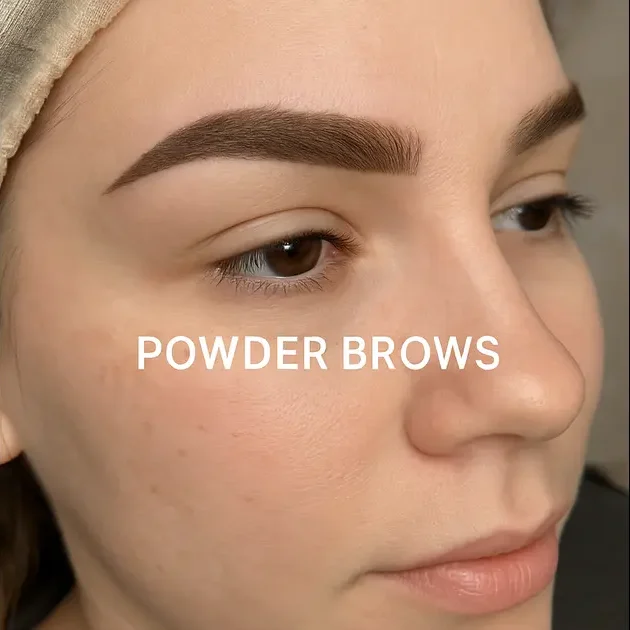
In the world of beauty, eyebrows have taken center stage. They frame the face and enhance expressions. But achieving the perfect brow can be a challenge.
Enter powder brows and microblading. These are two popular techniques for semi-permanent eyebrow enhancement. Both promise to deliver stunning results.
But how do you choose between them? Each method has its own unique benefits and drawbacks. Understanding these can help you make an informed decision.
Powder brows, also known as ombre brows, offer a soft, powdered look. They mimic the effect of makeup. This technique is less invasive and can be ideal for sensitive skin.
Microblading, on the other hand, creates hair-like strokes. It offers a natural, hair-like appearance. This method is perfect for those with sparse eyebrows.
Both techniques require maintenance. Touch-ups are needed every 1-2 years to keep them looking fresh. The choice often depends on personal style and skin type.
According to research published by PMC, awareness of eyebrow microblading among the general population stands at approximately 65%, indicating growing mainstream acceptance of semi-permanent brow procedures. The study also emphasizes the importance of choosing qualified practitioners who adhere to strict hygiene protocols.
Cost is another factor to consider. Both procedures can range from $300 to $800. Industry data from PMUHub’s research shows that in the USA, the average price of both treatments is just under $600, though it may vary significantly based on location and artist experience.
In this guide, we’ll explore the differences between powder brows and microblading. We’ll cover everything from the process to the results. By the end, you’ll know which method suits you best.
So, let’s dive into the ultimate showdown: powder brows vs microblading. Which one will win your heart?
Understanding the Techniques
Understanding the pros and cons of eyebrow techniques is the first and foremost step to deciding on them. The two methods—powder brows and microblading—each present their own distinct sets of benefits that can be matched with various requirements.
The main characteristic of powder brows—often referred to as “ombre brows”—is the soft gradient effect they create. The method has the same effect as the application of makeup, making it look like the eyebrows are filled in. A machine is utilized to introduce the pigment under the skin’s surface in this manner.
On the other hand, microblading is a completely different story involving a much higher level of skill. The artist uses the manual tool to produce the exact imitation of hair with staggeringly precise strokes. This method is best for people who want a lusher brow through the natural-looking strokes of the real eyebrow hairs that are added.
The two methods are not only popular due to the semi-permanence of their results but also because they are less invasive than other cosmetic procedures. They suit the lifestyle of people who want to take off some of the time spent on their daily make-up routine.
The International Society of Aesthetic Plastic Surgery’s 2024 Global Survey revealed that nearly 38 million cosmetic procedures were performed worldwide in 2024, with non-surgical aesthetic treatments continuing to gain popularity, reflecting growing consumer interest in semi-permanent beauty enhancements.
Here’s a quick comparison list to highlight their differences:
- Powder Brows: Soft, makeup-like finish; suitable for all skin types.
- Microblading: Natural, hair-like strokes; best for normal to dry skin.
- Combination: Some opt for a hybrid of both methods for a unique style.
What is Powder Brows?
Powder brows, also known as ombre brows, are created using a digital machine. This device delicately inserts pigment into the upper dermal layer of the skin. The result is a subtle, misty effect akin to eyebrow powder.
This technique is an excellent choice for individuals with oily skin. The pigment tends to stay in place better, maintaining a consistent color over time. The gradient effect begins lighter at the start of the brow and gradually becomes darker.
Here’s how the powder brow process works:
- Consultation with a licensed technician.
- Designing the ideal brow shape.
- Using a machine to apply pigment for the ombre effect.
The procedure is less painful due to its superficial nature. Many people describe the sensation as a mild buzzing feeling. Due to its adaptability, powder brows can range from soft and natural to bold and dramatic.
What is Microblading?
Microblading is a precise, meticulous technique that gives eyebrows a natural, full appearance. Using a handheld tool, technicians create fine, hair-like strokes. These strokes mimic the natural pattern of eyebrow hairs.
This method is perfect for those with sparse or over-plucked brows. Microblading can fill gaps and enhance the overall shape. It offers a realistic alternative to brow pencils or powders.
The steps involved in microblading include:
- Initial consultation and brow design.
- Application of numbing agent for comfort.
- Manual creation of hair strokes with pigment.
Microblading works best on normal to dry skin, as oily skin can cause the pigment to blur over time. A touch-up appointment is often needed to perfect the shape and color.
With microblading, achieving your dream brows is possible with attention to detail and expert technique. This method can enhance your natural beauty, providing long-lasting results with proper care.
Comparing the Two
Trying both powder brows and microblading is a good way to determine which one suits you better. Every method presents a unique outcome that can be matched to different tastes.
The impact of powder brows is a gentle and shaded look. This procedure gives a soft look as if the application of makeup has been done. It is recommended for those who fill in their eyebrows daily with makeup, and it provides a polished and uniform look.
The goal of microblading, in contrast, is to create the illusion of natural hairs. This method is ideal for those seeking a minor enhancement. Those who want brows that are thick and natural-looking often go for this approach.
Consider these aspects when comparing the two:
- Customization: Both techniques can be tailored to shape, color, and intensity.
- Maintenance: Powder brows usually need less frequent touch-ups.
- Healing time: Microblading may take longer due to the precision required.
Each method caters to different beauty goals, skin types, and lifestyles, which makes the choice personal.
Ombre Powder Brows vs Microblading
Ombre powder brows are known for their gradual shading effect. This technique blends colors from light to dark, mirroring a natural shadow. The ombre effect is perfect for those who love the sleek look of filled-in brows.
Microblading provides a different approach. It focuses on meticulously creating hair-like strokes for a lifelike appearance. Perfect for those who prefer a natural eyebrow without makeup.
Factors to consider include:
- Skin type: Ombre suits oily skin; microblading suits dry/normal skin.
- Desired look: Ombre offers a defined look; microblading offers a natural look.
- Duration: Ombre may last longer due to less blurring.
Choosing between the two depends on personal style and how much definition you desire in your brows.
Powder Technique Eyebrows Explained
The powder technique involves using a machine to achieve a soft, gradient effect. Unlike the singular strokes of microblading, this method fills in the entire brow. It’s akin to the effect of brow powder makeup, offering full coverage.
The shading is customizable in intensity from subtle to bold. This makes the technique versatile for different preferences. The pigment layer is superficial, ensuring a quicker recovery than microblading.
Key points about the powder technique:
- Versatility: Suitable for a wide range of skin types.
- Appearance: Can be subtle or dramatic, depending on preferences.
- Recovery: Generally quicker than microblading.
Individuals looking for consistency and fullness often choose this method for its low-maintenance results.
Differences Between Powder Brows and Microblading
Powder brows and microblading differ significantly in technique and outcome. Powder brows offer a shaded makeup-like appearance. They rely on machine use and are less invasive, making them apt for sensitive skin types.
In contrast, microblading involves manually creating hair-like strokes. The process can be more labor-intensive as it requires precision. This method suits sparse brows, replicating a realistic hair pattern.
Comparing the two methods:
- Technique: Machine shading vs. manual strokes.
- Result: Powder for a full look; microblading for natural hair mimicry.
- Suitability: Powder suits oily skin; microblading suits those with sparse brows.
Understanding these differences helps guide decisions, matching the choice to personal skin type and beauty goals. Each method serves its unique purpose in the world of cosmetic enhancement.
The Process
Understanding the process helps in making an informed decision between powder brows and microblading. Each method requires a unique approach and expertise.
The procedure for powder brows involves using a machine to apply the pigment in layers. This builds a soft, gradient effect that resembles a delicate shadow.
Microblading, however, utilizes a hand tool with fine needles. It creates precise hair-like strokes that simulate natural brow hairs.
Key steps in both procedures include:
- Consultation: Discuss desired shape and color with the technician.
- Design: A template is outlined to guide the application.
- Application: Pigment is carefully applied to achieve the desired effect.
Both require skill and precision, but techniques and outcomes differ. Understanding these procedures ensures better preparation and sets expectations.
How Are Powder Brows Done?
The powder brow process involves several meticulous steps. It starts with a consultation where color and shape preferences are discussed. The technician designs an outline, ensuring it complements the client’s facial features.
Once the design is approved, a numbing cream is applied for comfort. The specialist then uses a device to deposit pigment under the skin’s surface. This creates a gradient effect starting lighter at the beginning of the brow, building intensity towards the tail.
Steps involved in the powder brow technique:
- Preparation: Discuss options, numb the area, outline the shape.
- Application: Use of a machine to apply pigment layer by layer.
- Post-care: Instructions for healing and maintenance provided.
This technique suits those desiring a cohesive, understated look similar to using brow makeup. It offers a soft, yet well-defined appearance.
Microblading Process Overview
Microblading involves a detailed, multi-step procedure, emphasizing precision. Clients begin with a consultation to specify their desired brow appearance. A technician then carefully maps out an ideal shape for the brows, considering symmetry and natural features.
After approving the design, a numbing agent is applied to minimize discomfort. Using a handheld tool, the technician makes fine incisions, embedding pigment into the skin to mimic natural brow hairs.
Steps involved in microblading:
- Consultation: Discussion about shape, color, and personal preference.
- Preparation: Application of numbing cream for comfort.
- Microblading: Hand-tool used to create hair strokes with pigment.
Post-procedure, following aftercare guidelines is essential to achieve optimal results. Microblading is best for those seeking a realistic, natural brow enhancement.
Results and Longevity
Eyebrow enhancement procedures produce results that are quite different from one another largely because of the method chosen as well as the individual’s skin type. On one hand, powder brows and on the other hand; microblading not only give different looks but also have different life spans.
Powder brows, although they present a more defined look, still have that makeup like finish. This method is perfect for the ones who want to have a filled-in appearance all the time and do not want to spend any time daily on their eyebrows. With the passage of time, powder brows can lose their intensity but mainly will still have a refined appearance.
Microblading, in contrast, designs real brow hairs thus showing a very natural result. Its soft look attracts those who like to be elegantly understated. However, microblading might not last as long and disappear quicker, particularly if done on oily skin, thus needing more regular touch-ups.
According to research on permanent makeup longevity, microblading typically lasts between 1 to 3 years, while powder brows can endure for 2 to 4 years depending on skin type, lifestyle, and aftercare adherence.
A brief comparison of factors affecting results and longevity:
- Skin Type: Oily skin can blur microblading strokes.
- Maintenance: Regular touch-ups extend the lifespan of both techniques.
- Lifestyle: Sun exposure and skincare routines can impact fading.
Making an informed choice hinges on personal preference regarding aesthetics and maintenance willingness.
Soft Powder Brows and Their Aesthetic
Soft powder brows capture the delicacy and elegance of a well-groomed look. This technique offers a gradient, powdered finish, resembling the effect of brow powder makeup. Many clients favor it for its consistency and versatility.
This method creates brows that are fuller and more defined. With a smooth transition of intensity, soft powder brows maintain a natural appearance. From a distance, they present a flawless, shadow-like quality, enhancing facial harmony.
Advantages of choosing soft powder brows:
- Versatility: Adjustable intensity according to preference.
- Definition: Delivers a cohesive and polished look.
- Consistency: Uniform appearance over time.
Soft powder brows suit those seeking minimal daily maintenance but maximum visual impact. This method beautifully enhances both sparse and full brows, adding depth and dimension.
Microblading Results and Maintenance
Microblading excels in creating lifelike brow hairs. Each stroke is expertly crafted to blend seamlessly with existing eyebrows. This technique is perfect for those who aim for a subtle transformation while maintaining the authenticity of their natural brow texture.
The results are strikingly realistic, especially on close inspection. Yet, achieving optimal microblading results demands commitment to aftercare and regular touch-ups. Neglecting these can lead to faster fading and distortion of the strokes.
Key points of microblading maintenance:
- Initial Aftercare: Essential to preserve color and detail.
- Touch-ups: Recommended every year to maintain the vividness.
- Skin Suitability: Best for normal to dry skin types for lasting results.
Microblading offers a personalized brow enhancement, ideal for low-maintenance enthusiasts seeking a natural, yet noticeable difference.
Comparing Longevity: Powder vs. Microblading
The longevity of brow enhancements primarily depends on the chosen technique and individual skin characteristics. Powder brows often boast greater durability than microblading due to their application method and pigment distribution.
Powdered technique brows can maintain their defined look longer, particularly on oily skin, which tends to blur microblading’s fine strokes. Over time, powder brows may gradually soften but continue to offer a cohesive look.
Comparative longevity considerations between the two methods:
- Powder Brows: Generally last 2-3 years; longer on some skin types.
- Microblading: Typically lasts 1-2 years; requires more frequent touch-ups for clarity.
- Environmental Factors: Sun exposure and skincare regime can affect both techniques.
Selecting between the two involves weighing how long and consistent an effect you desire. This decision can greatly influence satisfaction with the final outcome.
Pain and Healing
Opting for either powder brows or microblading requires weighing not just the resulting appearance but also the pain and recovery period of the procedure. Each method provides a distinctive sensation when it comes to discomfort and healing.
In both methods, a small tool is used to implant the pigment in the skin. Although this can induce a slight discomfort, it is generally tolerable. Pain is mostly prevented with the help of numbing creams that are applied by technicians.
The healing period is a very important factor in determining the success of these treatments. If the skin gets proper care, it will have uniform healing and the pigment will be set well. When one becomes aware of healing and aftercare, it can lead to the desired results being maintained for a longer time and thus becoming more satisfying.
Main factors influencing pain and healing:
- Pain Tolerance: Individual variations affect perceived discomfort.
- Aftercare Practices: Proper aftercare aids in faster healing.
- Skin Sensitivity: Impacts the recovery timeline and comfort level.
Pain Levels for Each Procedure
The pain level experienced during powder brows and microblading can differ. Individual tolerance plays a significant role, but the techniques themselves possess distinct characteristics affecting discomfort levels.
Microblading involves creating fine strokes to mimic hairs, which some find slightly more uncomfortable due to the precision required. Many describe the sensation as similar to small scratches or stings.
Powder brows generally cause less discomfort. This method disperses pigment over broader areas, akin to a buzzing sensation. Although less painful, clients may still feel some minor irritation during the procedure.
Key points affecting pain perception:
- Tools Used: Handheld blades for microblading, machines for powder brows.
- Numbing Agents: Reduce discomfort effectively.
- Procedure Duration: Longer sessions might increase discomfort levels.
Understanding what to expect helps alleviate anxiety and prepare mentally for the procedure.
Healing Process Differences
Once the procedure finishes, the healing process begins. Powder brows and microblading each have specific aftercare needs that dictate the final results and healing duration.
Powder brows typically heal faster. The procedure is less invasive, causing minimal trauma to the skin. Clients often experience slight redness and mild peeling, which subsides quickly.
Microblading’s healing might take longer due to the intricate nature of the strokes. This technique can lead to more noticeable scabs and redness initially. The area may appear darker before it fades to the desired shade.
Professional sources like DAELA Cosmetic Tattoo note that both procedures typically require 4-6 weeks for complete healing, with powder brows often showing faster initial recovery due to their less invasive nature.
Differences in the healing process:
- Initial Appearance: Powder brows appear soft and powdery, microblading may look bold.
- Healing Time: Microblading can take up to six weeks, whereas powder brows may take less.
- Aftercare Essentials: Keeping the area clean and avoiding water exposure is crucial for both.
Both techniques rely heavily on diligent aftercare to achieve optimal outcomes. Adapt your routine to the specific method you choose for best results.
Aftercare Tips
Proper aftercare is essential to achieving perfect brows, whether you’re opting for powder brows or microblading. The healing period requires care to ensure your new brows set correctly.
Neglecting aftercare can lead to fading or uneven coloring. It is crucial to follow your technician’s advice closely. Each method has slightly different needs, but some universal practices apply to both.
To aid in a smooth recovery, here are some general aftercare guidelines:
- Avoid Water: Keep your brows dry for several days.
- Moisturize: Use recommended ointments to keep the area hydrated.
- Avoid Sun: Stay out of direct sunlight to prevent fading.
Sticking to these practices will help enhance the longevity and vibrancy of your brows.
Aftercare for Powder Eyebrows
Powder eyebrows, or ombre brows, entail particular aftercare practices to keep their delicate, powdery appearance. The end goal is to make the pigment set uniformly and the color to remain fresh.
During the initial week, redness and swelling are expected, but they normally go away soon. Dry the skin and do not touch or scratch it to avoid contamination or disturbance of the pigment.
Additional aftercare advice for powder eyebrows includes:
- Apply Healing Balm: Use as recommended to soothe and protect.
- Avoid Makeup: Refrain from applying makeup on the brows until healed.
- Stay Away from Heat: Avoid saunas or hot showers that might affect pigment stability.
Follow these steps to enhance the results and enjoy beautiful brows.
Microblading Aftercare
Microblading aftercare is slightly more involved due to the intricacy of the procedure. Precision strokes require careful maintenance to prevent fading and ensure proper healing.
Initially, you might experience swelling and minor scabbing. Resist the temptation to pick at scabs as this can cause patchy results. Proper cleaning and moisturizing are crucial during this period.
Specific microblading aftercare recommendations include:
- Gentle Cleaning: Dab the area lightly with a damp cloth.
- Use Antibacterial Ointment: Apply as instructed to prevent infection.
- Limit Activities: Avoid strenuous exercise that causes excess sweating.
By adhering to these guidelines, you’ll help ensure the longevity and beauty of your microbladed brows.
Cost Considerations
The cost of eyebrow enhancement is a key factor for many. Both powder brows and microblading involve an investment, but the results can be long-lasting and worth every penny.
Price can vary significantly based on location, the artist’s experience, and the salon’s reputation. Generally, these procedures require a substantial outlay but provide months of hassle-free brows.
It’s critical to note that more expensive doesn’t always mean better. Finding a qualified and skilled technician should be your priority, even if it means paying a bit more.
Some cost-related aspects to consider:
- Technician’s Skill: More experienced artists may charge higher fees.
- Location: Prices often vary between urban and rural areas.
- Reputation: Highly reviewed salons might come with a premium price.
Always verify the technician’s qualifications and portfolio before proceeding.
Price Comparison of Powder Brows vs Microblading
When comparing the costs of powder brows to microblading, prices tend to be in a similar range. However, a few differences exist due to the techniques and equipment involved.
Powder brows might cost slightly less in some places. This is because the process uses a machine rather than a delicate hand tool.
Despite similar price brackets, both typically range from $300 to $800. This reflects the time and precision required for these meticulous techniques.
Data from DuPont Lash & Brow Bar confirms that both powder brows and microblading generally fall within the $300 to $600 range for initial procedures in most markets, with additional costs for touch-up sessions typically needed 4-6 weeks after the initial procedure.
Factors influencing price differences include:
- Tool Requirement: Machines for powder brows can reduce labor costs.
- Procedure Time: Both require similar session lengths, impacting prices.
- Touch-Up Fees: Consider potential additional costs for future touch-ups.
Being informed about these details can aid in deciding which procedure aligns best with your budget and expectations.
Who Should Choose Which?
The choice between powder brows and microblading depends on a person’s likes and skin types. Every technique has its own advantages which can be attractive to different customers.
Think about the end results you want to get. Whereas powder brows do give off a more sophisticated and fuller look, microblading imitates single hairs and thus creates a natural, low-key effect.
The kind of skin is a very important factor for your selection. People with oily skin may have an advantage of longer lasting with powder brows while microblading is for normal or dry skin primarily.
Here are some points to consider:
- Desired Look: Full vs. natural appearance.
- Skin Type: Oily vs. dry.
- Lifestyle: Makeup routines and time for maintenance.
Choosing between these techniques involves a thorough understanding of personal aesthetic goals and daily habits.
Ideal Candidates for Powder Brows
Powder brows are perfect for those seeking a defined and consistent brow style. This technique gives a makeup-like effect, ideal for individuals who fill in their brows daily.
People with oily skin might find powder brows more durable, as the pigment tends to last longer without blurring. Furthermore, those with sensitive skin may appreciate the less invasive nature of this method.
Key reasons to consider powder brows include:
- Makeup-like Finish: For those who enjoy a finished look.
- Longevity: Especially on oily skin types.
- Sensitivity: Less invasive for sensitive skin.
Overall, powder brows can dramatically enhance brows’ fullness and symmetry, providing a beautifully sculpted result.
Ideal Candidates for Microblading
Microblading offers an ideal option for individuals desiring a natural, hair-like brow appearance. This technique is perfect for those with sparse eyebrows who aim for subtle enhancements.
It suits people with normal to dry skin, as the pigments remain sharp without spreading. Microblading can simulate real hairs, providing a seamless look for those with minimal brow hair.
Consider microblading if these points apply:
- Natural Effect: Perfect for a realistic, undetectable enhancement.
- Sparse Brows: Excellent for filling gaps.
- Normal to Dry Skin: Ideal for clear definition.
Microblading can offer a natural transformation, complementing facial features with graceful, lifelike strokes.
Conclusion
It really comes down to personal choice in whether to go for powder brows or microblading. Both methods are distinct and have their respective pros and cons based on skin types and beauty objectives.
The powder brow method is perfect for someone who is looking for a dramatic, strong, almost like the makeup finish. This is also the method that mainly works for people with oily skin to have an effective and long-term solution.
Microblading, on the other hand, is the process that gives the most natural look through delicate human hair-like strokes. This option is perfect for someone with little brow hair and wanting a little more enhanced but still very natural look.
The broader context of cosmetic enhancement trends supports the growing popularity of these procedures. According to the ISAPS 2024 Global Survey, the cosmetic procedures market has seen a 42.5% increase over the past four years, reflecting increasing consumer interest in semi-permanent beauty solutions that save time and enhance confidence.
Ultimately, deciding which method to choose involves considering your lifestyle, desired appearance, and skin condition. Consulting with a skilled technician can ensure the best outcomes, helping you achieve beautifully sculpted brows tailored just for you.
Frequently Asked Questions
What is the main difference between powder brows and microblading?
Powder brows create a soft, shaded look, akin to wearing makeup. Microblading involves detailed, hair-like strokes for a natural appearance.
How long does each procedure last?
Microblading results typically last 1 to 2 years. Powder brows may last longer, especially on oily skin, often up to 3 years.
Which technique is better for sensitive skin?
Powder brows might be gentler on sensitive skin. The method is less invasive compared to microblading’s deeper incisions.
What is the recovery time for each method?
Microblading usually heals in 4 to 6 weeks. Powder brows can heal quicker, sometimes in as little as 2 weeks.
Can both methods be combined?
Absolutely, a combination technique integrates microblading’s natural strokes with powder brows’ fullness, creating a hybrid effect.
List of common considerations:
- Skin type and sensitivity
- Desired look
- Maintenance level
- Longevity preferences
- Budget constraints
- Personal style choices
Consulting with a professional can help determine which option aligns best with your goals and lifestyle, providing a personalized enhancement.