Business
How Whistleblowers Shape Safer Workplaces


Across industries, individuals who speak up against unsafe practices or unethical conduct play a pivotal role in maintaining workplace integrity and safety. Whistleblowers are often the first to identify threats that could jeopardize employees’ well-being or the general public’s safety. Consulting experienced professionals, such as Brown, LLC whistleblower lawyers, can provide guidance and legal support to those considering blowing the whistle, making it safer for employees to report concerns.
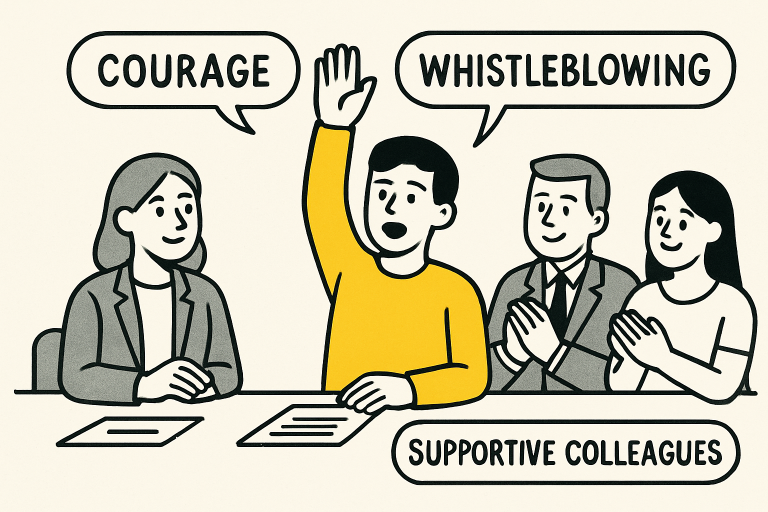
Not only do whistleblowers protect their coworkers and consumers, but they also help organizations correct course before issues spiral into larger crises. The courage to report wrongdoing helps nurture ethical cultures, preventing costly incidents and ultimately saving lives. Unfortunately, whistleblowers often risk retaliation and career setbacks. Fostering an environment that encourages speaking up is essential for organizations that value long-term trust and resilience.
By supporting transparency and effective whistleblower systems, companies position themselves as ethical leaders. Encouraging open reporting of misconduct is not just about compliance; it is about strengthening an organization’s moral core. For more information on whistleblower rights and protections, reputable sources like the Occupational Safety and Health Administration (OSHA) Whistleblower Protection Program provide extensive guidance.
Role of Whistleblowers in Workplace Safety
Whistleblowers are often a workplace’s first, and sometimes only, line of defense against hazardous practices. By reporting unsafe conditions, fraud, or regulatory breaches, they enable prompt intervention from management or authorities. These actions can prevent accidents, illness, and even loss of life. One notable example involved a seaman aboard the Safmarine Mafadi, whose report about vessel safety directly led to much-needed corrective measures and heightened safety for the entire crew.
Such reports can directly result in regulatory penalties for negligent employers or prompt industry-wide change. The Environmental Protection Agency, for example, has attributed major regulatory updates to the bravery of industry insiders who exposed risks to public health. As advocates for accountability, whistleblowers often make substantial contributions to a safer professional world.
Legal Protections for Whistleblowers
Legal systems in many countries recognize the risks whistleblowers face and have enacted robust protections to shield them from employer retaliation. In the United States, OSHA enforces several statutes that guard whistleblowers in various sectors, from healthcare to maritime. These laws prohibit employers from firing, demoting, harassing, or otherwise punishing employees for making protected disclosures.
The OSHA Whistleblower Protection Program provides critical information on these legal protections, empowering workers to come forward and paving the way for safer, more transparent workplaces. Still, the complexity of whistleblower laws can be daunting, which is why expert legal support is crucial for those considering action.
Challenges Faced by Whistleblowers
Despite protective laws, whistleblowers often encounter considerable obstacles. Many face retaliation, such as termination, blocking, or social isolation, at work. According to a survey by Transparency International Ireland, nearly half (44 percent) of those who reported misconduct faced negative workplace consequences. Women in particular often experience higher rates of retaliation compared to their male colleagues.
Emotional stress, financial repercussions, and potential legal battles make whistleblowing a daunting path. The stigma attached to ‘speaking out’ can also discourage others from doing the right thing. As a result, only a fraction of workplace violations are ever formally reported.
Organizational Benefits of Encouraging Whistleblowing
When leadership commits to supporting whistleblowers, organizations reap significant rewards. Transparency and early identification of misconduct allow companies to address problems before they escalate into serious legal or financial issues. This proactive approach not only preserves resources but also builds public trust.
The Edelman Trust Barometer of 2024 highlights that nearly three-quarters of global consumers are more inclined to trust organizations that visibly support whistleblowers. Encouraging internal reporting also fosters employee engagement and signals that ethical behavior is a top priority.
Implementing Effective Whistleblower Policies
Companies seeking to support whistleblowers should enact clear, comprehensive policies. These should include anonymous reporting channels, strong anti-retaliation measures, timely investigations, and regular training on employee rights. These essential tools create a safer, more supportive space for employees to raise concerns.
- Establishing multiple anonymous reporting channels
- Implementing explicit anti-retaliation provisions
- Guaranteeing prompt, impartial investigations
- Providing ongoing training and resources for all staff
Implementing these strategies allows organizations to comply with regulations and also foster a truly ethical working environment.
Case Studies of Successful Whistleblowing
There are numerous examples of individuals whose actions led to widespread improvements. Advocacy by groups such as the National Whistleblower Center has driven policy reform and increased awareness of the crucial protections these individuals require. These successful interventions benefit not only individual workplaces but also set new industry standards.
High-profile cases have revealed systemic misconduct, unsafe conditions, and fraudulent practices that endangered workers and the public. By spotlighting these instances, whistleblowers have prompted necessary change, demonstrating the transformative power of transparency.
Resources for Whistleblowers
Whistleblowers have access to a range of resources designed to support them throughout the reporting process. The U.S. Department of Labor’s Whistleblower Protection Program offers extensive information about legal rights and protections and provides practical guidance. External organizations such as the National Whistleblower Center offer support, advocacy, and connections to legal professionals nationwide.
Dedicated aid is also available from independent watchdog organizations, unions, and government agencies. Education and support are vital to ensuring that workers do not face the risks of speaking up alone.
Conclusion
Whistleblowers play a critical role in maintaining safe, ethical workplaces and industries. By speaking up about misconduct, fraud, or safety violations, they help prevent harm and hold organizations accountable. This courage often comes with significant personal and professional risk, including retaliation or isolation. Strong legal protections ensure whistleblowers can report concerns without fear, while supportive organizational cultures encourage transparency and responsibility. When companies value and protect those who raise concerns, they demonstrate a genuine commitment to integrity, safety, and public trust, ultimately benefiting employees, stakeholders, and the broader communities they serve worldwide.


-
 Lifestyle6 months ago
The Ultimate Guide to Choosing Contact Lenses for Beginners
-
Lifestyle5 months ago
Babydollkaila: The Alt-Fashion Icon Redefining Digital Style
-
Uncategorized5 months ago
Healthy Habits for Supporting Women’s Hair Wellness
-
Blog4 months ago
Common Questions About Workplace Rights
-
Technology6 months ago
6 Free AI Tools to Create AI Videos Right Now
-
News6 months ago
Is Debby Clarke Belichick Still Alive? 2025 Update & Truth
-
News7 months ago
Hong Kong Fire: The Tragedy That Shook a City
-
News6 months ago
Melissa Sinkevics: The Woman Behind the Pageant Crown