Finance
How to Begin Commodity Trading in India

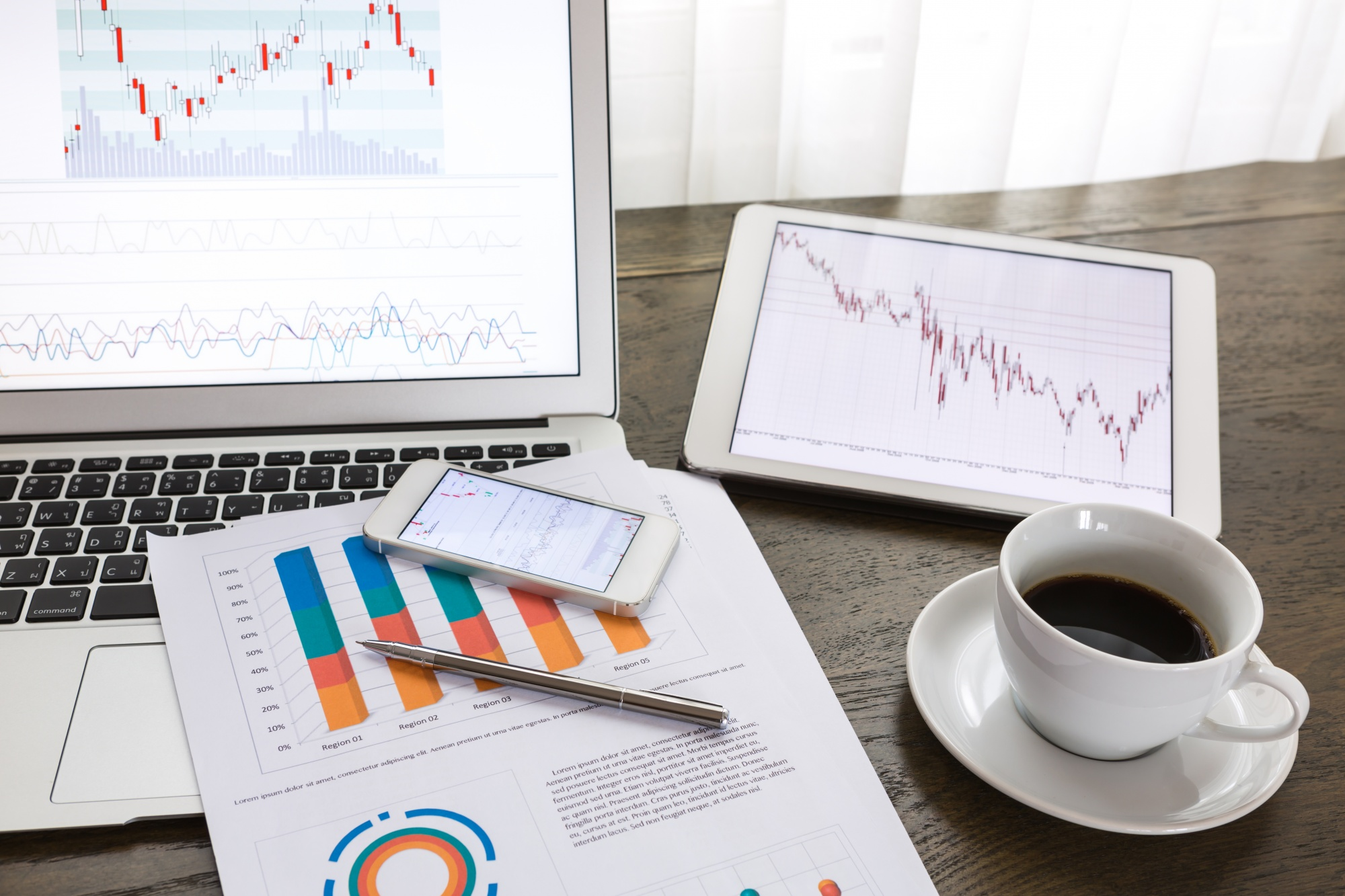
Want to build additional wealth but struggle with a busy work schedule? Commodity trading on the MCX now offers extended hours, making it perfect for working professionals. Learn how to navigate margins, manage risks, and trade global assets seamlessly.
Key Takeaways:
- Accessible Market Flexibility:Extended trading hours on the MCX (until 11:55 PM IST) make commodity trading highly viable for working professionals looking to diversify their portfolios and hedge against inflation
- Strategic Step-by-Step Entry:Beginners should start by opening a SEBI-registered account, understanding margin requirements (SPAN and exposure), and paper trading highly liquid, globally tracked assets like gold or silver for at least a month
- Strict Risk and Cost Management:Because leverage amplifies both gains and losses, traders must monitor global triggers (Fed decisions, OPEC, monsoon data), avoid high-risk overnight positions in energy, and account for transaction costs like CTT and GST
India’s MCX is one of the major commodity derivatives exchanges in the world, considering the number of contracts traded. Commodities are an inflation hedge as well as a diversification tool that helps you earn profits with a few technical strategies.
It has recently extended its trading hours, and this is an opportunity you should consider if you are a working professional! If you have plans to begin your trading career to earn additional wealth, this blog will tell you how to begin commodity trading in India.
What Can You Actually Trade?
Indian exchanges include MCX (metals, energy, bullion) and NCDEX (agri), available on any commodities trading app. Now, crude oil and gold prices are set globally, so the COMEX and NYMEX benchmarks drive MCX prices.
Having an idea of the prices helps in trading. For that, you will also need to be able to access these markets as well if you are seeking direct global exposure. Also, gold and crude are considered hard commodities, and agri is considered a soft commodity. Follow the table to know more about commodities.
| Feature | MCX | NCDEX |
| Full name | Multi Commodity Exchange | National Commodity & Derivatives Exchange |
| Best for | Metals, Energy, Bullion | Agricultural commodities |
| Top contracts | Gold, Silver, Crude Oil, Natural Gas, Copper | Guar Seed, Cotton, Castor Seed, Turmeric, Soybean |
| Trading hours | 9:00 AM – 11:55 PM (IST) | 9:00 AM – 9:00 PM (IST) |
| Beginner-friendliness | High (liquid contracts, global data available) | Moderate (seasonal & weather-driven) |
| Global benchmark linkage | Yes — COMEX (gold/silver), NYMEX (crude) | Limited — domestic supply-demand driven |
| Minimum lot (Gold Mini) | 100 grams | N/A |
| Regulator | SEBI | SEBI |
Table 1: MCX vs NCDEX
5 Steps to Start Commodity Trading in India
There are proper strategies and techniques to trade commodities. But before that, let’s learn how to start it. Here are your next steps should be to have a proper start at trading through online commodity trading platforms.
- Step 1 — Understand what you’re trading. Know what futures contracts, lot sizes, and expiry dates (not ETFs) mean before investing.
- Step 2 — Open a SEBI-registered commodity trading account by submitting KYC documents like PAN, Aadhaar, income proof, and bank statement.
- Step 3 —Fund your account and understand margin. The initial and maintenance margin is different, and you need to consider things like SPAN and exposure margin on MCX.
- Step 4 — Choose your first commodity. We suggest choosing gold or silver if you are a beginner because these are liquid commodities that are globally tracked and have lower volatility than crude.
- Step 5 —Lastly, place your trade while being cautious of the market, limit, and stop-loss orders. You should also monitor all the global cues like OPEC, Fed decisions, and even monsoon data (for agri products).
Costs, Charges & Taxes
This comes after you finish learning basic trading rules through paper trading for about a month. But before you plan to begin it at all, it’s better to have an idea of what the costs, charges, and taxes of a commodities trading app look like.
| Cost component | Rate
*approx. estimate; can change |
Who pays | Notes |
| Brokerage | ₹0–₹20/trade or 0.01–0.03% | Trader | Flat-fee platforms now offer zero brokerage on commodity futures |
| Commodity Transaction Tax (CTT) | 0.01% of trade value | Buyer (non-agri futures) | Agri commodities are CTT-exempt. Deductible if income is declared as business |
| GST on brokerage | 18% of the brokerage amount | Trader | Applies to all trades |
| GST on physical delivery | 3% of the commodity value | Buyer | Only if you take/give actual delivery at expiry |
| Exchange transaction charges | ~0.002–0.003% | Trader | MCX levy varies by commodity |
| SEBI charges | ₹10 per crore of turnover | Trader | Nominal; collected by the broker |
| Stamp duty | 0.002% (futures) | Buyer | As per the Indian Stamp Act; varies by state for physical |
| STT | NIL | — | Securities Transaction Tax does NOT apply to commodity futures |
Table 2: Total Cost Breakdown
Risk Management for Beginners
Risks are a part of online trading, whether it is a commodity or anything else. You have to be aware of the possible pitfalls and stay cautious while trading. You should:
- Never trade without a stop-loss; leverage amplifies both gains and losses
- Start with 1 lot; understand margin call mechanics before scaling
- Global triggers to monitor include OPEC decisions, USD/INR rate, US CPI data, monsoon forecasts (for agri)
- Avoid overnight positions in crude oil and natural gas as a beginner because the gap risk is high
Ready to Begin Commodity Trading?
If you have understood what you will need to do for commodity trading, it’s time to practice. Standard and reputable online commodity trading platforms will let you paper trade first so that you learn how to do it properly without using real money. Do that for a month and then start by investing small amounts. And when you are ready to place your first trade, explore more platforms that offer MCX access with zero brokerage.


-
 Blog7 months ago
How Much Does It Cost to Rent a Porta Potty? (2026 Pricing Guide)
-
Lifestyle9 months ago
The Ultimate Guide to Choosing Contact Lenses for Beginners
-
Lifestyle8 months ago
Babydollkaila: The Alt-Fashion Icon Redefining Digital Style
-
News10 months ago
Hong Kong Fire: The Tragedy That Shook a City
-
Blog7 months ago
Common Questions About Workplace Rights
-
News10 months ago
Is Debby Clarke Belichick Still Alive? 2025 Update & Truth
-
Uncategorized8 months ago
Healthy Habits for Supporting Women’s Hair Wellness
-
News9 months ago
Melissa Sinkevics: The Woman Behind the Pageant Crown