Mudassir Ali
Every woman strives for strong, healthy hair that looks vibrant and beautiful. Achieving and maintaining hair wellness is possible through a series of daily habits that nourish and protect both the hair and scalp. A thoughtful hair routine, mindful nutrition, and healthy lifestyle choices come together to create an approach that benefits not only hair but also overall well-being. By understanding the essentials of hair care and wellness, women can enjoy hair that is resilient, shiny, and full of life. For those looking to enhance their routine, womens hair supplements can offer targeted support alongside daily habits.
Staying proactive about hair wellness involves more than using the right products. The journey to thriving hair begins by focusing on key lifestyle areas, from nutrition and hydration to stress management and mindful styling practices. Each of these factors plays a unique role in keeping hair and scalp in optimal condition. Adopting supportive habits can prevent common issues like breakage, dryness, and thinning, while laying the groundwork for long-term hair health.
Recognizing certain lifestyle factors that may affect hair growth and quality is also important. Poor diet, lack of sleep, overuse of harsh treatments, and environmental exposure can all contribute to weakened strands or scalp irritation. Simple changes in daily habits can make a noticeable difference over time, helping to keep hair looking and feeling its best.
Wellness routines should work for each woman’s unique hair type and needs. Embracing a holistic strategy helps foster healthy hair and fits seamlessly into other self-care goals. Combining the right nutrition, carefully chosen products, and mindful self-care is the foundation for transformative results.
Nourish Your Hair from Within
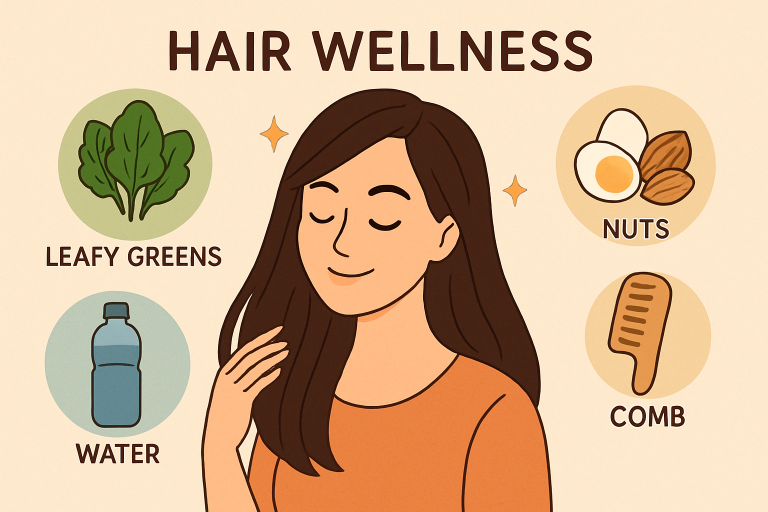
Hair health often reflects what is happening inside the body. The nutrients that fuel overall health also support the growth of strong, resilient hair. Ensuring your diet is rich in protein, healthy fats, vitamins, and minerals strengthens hair at the root and helps support new growth. Foods like eggs, beans, fish, lean meats, avocados, nuts, and leafy green vegetables deliver the building blocks needed for keratin production, follicle health, and a hydrated scalp. Hydration is equally important, so be sure to drink enough water daily to maintain moisture levels throughout your body, including your scalp. According to the Cleveland Clinic, deficiencies in key nutrients such as iron or zinc may contribute to thinning or sluggish hair growth, so being mindful of your diet is crucial.
Choose Gentle Hair Products
Not all hair care products are created equal, and many commonly used ingredients can strip moisture and weaken the hair shaft. Sulfate-free shampoos protect hair’s natural oils, while conditioners tailored to your hair type add moisture and smoothness. Over-shampooing can cause dryness and irritation, so it is best to wash hair two to three times per week unless daily washing is absolutely necessary due to activity levels or scalp conditions. Look for products that use gentle cleansing agents, nourishing botanical ingredients, and are free of harsh alcohols or synthetic fragrances. These choices help maintain a healthy scalp barrier and prevent unwanted breakage or frizz. As dermatologists recommend, consider rotating products to address seasonal changes in scalp and hair needs.
Handle Wet Hair with Care
Hair is most vulnerable when wet. Aggressive stretching, rubbing, or combing can lead to split ends and excessive shedding. After washing your hair, gently blot with a microfiber towel or a soft cotton t-shirt to absorb excess moisture. Avoid using high heat from blow dryers immediately after washing. Instead, allow hair to air-dry partially, then finish on a low-heat setting if needed, maintaining some distance between the nozzle and hair. Leaving hair wrapped tightly in a towel or pulling it back when damp can also cause breakage, so handle freshly washed hair as delicately as possible.
Limit Heat Styling
Frequent use of styling tools like blow dryers, straighteners, and curling irons can weaken hair over time, causing dryness, split ends, and even permanent texture changes. Incorporate heat-free styling when possible and embrace your hair’s natural texture to minimize damage. When heat styling is necessary, always apply a quality heat protectant spray beforehand. Limit sessions to a few times a week and keep temperatures at the lowest effective setting to safeguard the cuticle and maintain moisture.
Protect Your Hair from Environmental Stressors
Environmental exposure can quickly erode hair health. Sunlight, pollution, wind, and chlorinated water introduce stressors that weaken and dry hair. Wear hats or silk scarves on bright days and rinse hair after swimming in pools or the ocean to remove buildup. Leave-in conditioners or serums with UV filters create a barrier against sun-related color fading and cuticle damage, keeping hair vibrant and hydrated. Simple steps like these add a layer of daily defense against external elements.
Maintain Regular Trims
Getting a trim every six to eight weeks is one of the simplest ways to support hair wellness. Trimming prevents split ends from traveling up the hair shaft and gives fresh, tidy ends for a healthier overall look. Even if you are aiming to grow your hair longer, regular trims are essential for maintaining its quality and ensuring steady, healthy growth in the long term.
Manage Stress and Prioritize Sleep
Chronic stress and sleep deprivation can have a significant negative impact on hair wellness. High stress hormones are linked to hair thinning or loss, while inadequate sleep disrupts the regeneration of cells that contribute to healthy hair and scalp. Integrate mindfulness practices, exercise, or hobbies into your daily routine to better manage stress. Prioritizing seven to nine hours of restorative sleep supports healthy hair growth cycles and contributes to a sense of overall balance.
Conclusion
Healthy hair begins with the choices made every day, from what you eat to how you care for your scalp and strands. Adopting a holistic self-care approach that encompasses nutrition, gentle hair care, environmental protection, and stress management lays the foundation for strong, healthy hair for years to come. As you make these habits part of your routine, remember that consistency and patience yield the best results. Investing in your wellness pays off with hair that looks and feels its best.


 Rizwan Ali