Blog
Supermarked Explained: What It Means and Why Americans Are Searching It

You are scrolling through the internet, watching a travel video about Norway, or reading a post from a Scandinavian recipe blog, and you notice a word that looks almost familiar but not quite right. The word is “supermarked.” It looks like supermarket. It sounds like supermarket. But it is not spelled the way you know it.
If you have been curious about what it means, where it comes from, and why it keeps showing up online, you are in exactly the right place. This guide breaks down everything clearly and gives you a genuine understanding of the word, its cultural background, and what it tells us about grocery shopping around the world.
What Does Supermarked Mean?
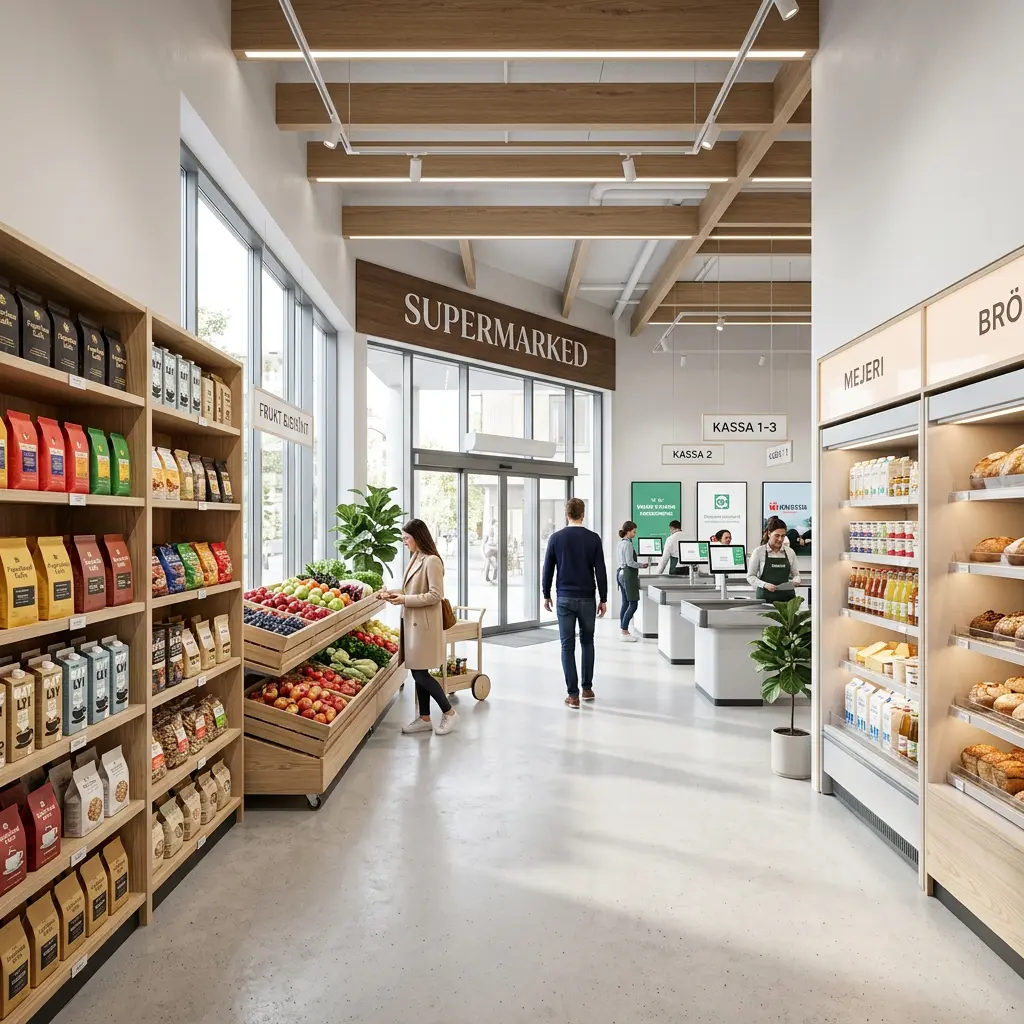
Supermarked is the Norwegian and Danish word for supermarket. That is the direct and simple answer. If you are reading a Norwegian article, a Danish social media post, or a Scandinavian recipe that mentions “supermarked,” it is referring to exactly the same thing an American would call a supermarket.
The word follows the same logic as the English version. “Super” means large or above the ordinary. “Marked” is the Norwegian and Danish word for market. Put them together and you get a large market, which is exactly what a supermarket is.
The spelling difference is small but meaningful. It reflects the way Scandinavian languages adapted the concept of the modern grocery store into their own linguistic structure while keeping the core idea intact.
The Origin of the Word Supermarked
To understand supermarked fully, it helps to know where the concept of the supermarket itself came from. The modern supermarket as we know it today was largely an American invention. In the early 20th century, grocery shopping in the United States shifted from small specialty stores to larger self-service stores where customers could pick products from shelves themselves rather than asking a clerk to retrieve them.
This idea spread rapidly across Europe and the rest of the world after World War II. As American-style shopping culture traveled globally, countries adopted the concept and translated it into their own languages.
Norway and Denmark both took the word “supermarket” and adapted it. The English word “market” became “marked” in Norwegian and Danish, which is the native term for an open market or trading place in those languages. The prefix “super” stayed the same because it carried the same meaning across both language families.
The result was “supermarked,” a word that feels native to Scandinavian speakers but is immediately recognizable to anyone who speaks English.
Why Americans Are Searching for Supermarked
It is a fair question to ask why this word is gaining attention among American audiences. There are a few clear reasons behind it.
Travel content and Scandinavian culture have grown significantly in popularity on YouTube, TikTok, and Instagram. Millions of Americans follow creators who live in or travel through Norway, Sweden, and Denmark. When these creators film grocery hauls, talk about food prices, or walk through a Norwegian store, the word “supermarked” appears naturally on screen or in captions. Viewers who are unfamiliar with the word search for it out of genuine curiosity.
Language learning is another driver. Norwegian and Danish have become increasingly popular languages for American learners, partly because Norwegian is considered one of the easiest languages for English speakers to learn. Words like “supermarked” come up early in beginner vocabulary lessons and spark interest.
Scandinavian food trends have also brought more Norwegian and Danish content into American feeds. Everything from open-faced sandwiches to Scandinavian baking has attracted a following in the US, and with that comes exposure to the language and the culture around food shopping.
Simple curiosity should not be underestimated either. Americans are naturally curious people, and when a word looks almost like something they know but not quite, the instinct is to look it up. That is completely normal and it is how language curiosity often begins.
Supermarked vs Supermarket: The Key Differences
Beyond the spelling, there are some interesting cultural differences between what a supermarked in Scandinavia looks like compared to a typical American supermarket.
Norwegian and Danish supermarkets are generally smaller than American ones. The average grocery store in Norway covers far less floor space than a large American chain like Walmart or Kroger. Products are fewer in number, but the focus on fresh and local goods tends to be stronger.
Prices in Scandinavian supermarkets are significantly higher than American prices. Norway in particular is known for some of the highest food costs in the world due to taxes, wages, and the cost of living. A grocery trip that might cost thirty dollars in the US could easily cost double that in a Norwegian supermarked.
Self-checkout and digital payment systems are extremely common in Scandinavian grocery stores, often more so than in many parts of the US. The culture around quick, efficient shopping has shaped how these stores are designed.
Despite these differences, the purpose is the same everywhere. Whether you call it a supermarket or a supermarked, it is a place where people fill their carts with the food and goods their families need every week.
Common Norwegian Supermarked Chains You Should Know
If you are visiting Norway or Denmark or simply curious about what the grocery landscape looks like there, a few major names come up repeatedly.
Rema 1000 is one of the most popular discount supermarkets in Norway, known for low prices and simple product selections. It focuses on everyday essentials without the variety of larger stores.
Kiwi is another major Norwegian chain with a budget-friendly approach. Despite its name having nothing to do with the fruit, it is a well-recognized brand across the country.
Meny sits at the higher end of the Norwegian grocery market, offering a wider variety of products including international foods and premium goods.
Spar operates across multiple European countries including Norway and Denmark and is one of the most internationally recognized supermarked chains in the Scandinavian region.
Knowing these names adds context if you are watching travel content from Norway or planning a trip there yourself.
What Supermarked Teaches Us About Language and Culture
There is something genuinely interesting about a word like supermarked. It shows how global concepts travel across borders and settle into new languages while keeping their meaning intact.
The same pattern shows up in dozens of other everyday words. Technology, fashion, food, and commerce all carry English-origin words that have been adapted into other languages. Supermarked is one of the cleaner examples because the connection is so obvious.
It also reflects how grocery shopping is a truly universal human experience. No matter where you live or what language you speak, the act of walking into a large store, filling a cart with food, and heading home is something billions of people do every week. A different spelling does not change that shared reality at all.
For anyone building a curiosity about language or culture, words like supermarked are a great entry point. They feel accessible, recognizable, and genuinely interesting to explore.
If you enjoy discovering the stories behind everyday words and global lifestyle topics, Buzzovia.com regularly covers content that connects language, culture, and modern living in ways that are easy to understand and genuinely worth your time.
Conclusion
Supermarked is simply the Norwegian and Danish word for supermarket, but the story behind it is richer than a one-line definition. It connects American grocery culture to Scandinavian daily life, reflects how language adapts across borders, and explains why so many curious people in the US have been searching for it.
Next time you come across the word in a travel video, a language lesson, or a Scandinavian blog, you will not just know what it means. You will know exactly where it came from, why it exists, and what it says about the world we all share.
That is the real value of exploring a word like supermarked. It turns a simple search into something genuinely worth knowing.


-
 Blog6 months ago
How Much Does It Cost to Rent a Porta Potty? (2026 Pricing Guide)
-
Lifestyle8 months ago
The Ultimate Guide to Choosing Contact Lenses for Beginners
-
Lifestyle7 months ago
Babydollkaila: The Alt-Fashion Icon Redefining Digital Style
-
Uncategorized7 months ago
Healthy Habits for Supporting Women’s Hair Wellness
-
News9 months ago
Hong Kong Fire: The Tragedy That Shook a City
-
News8 months ago
Is Debby Clarke Belichick Still Alive? 2025 Update & Truth
-
News8 months ago
Melissa Sinkevics: The Woman Behind the Pageant Crown
-
Blog6 months ago
Common Questions About Workplace Rights