Health
What to Do During a Heart Attack When You Are Alone

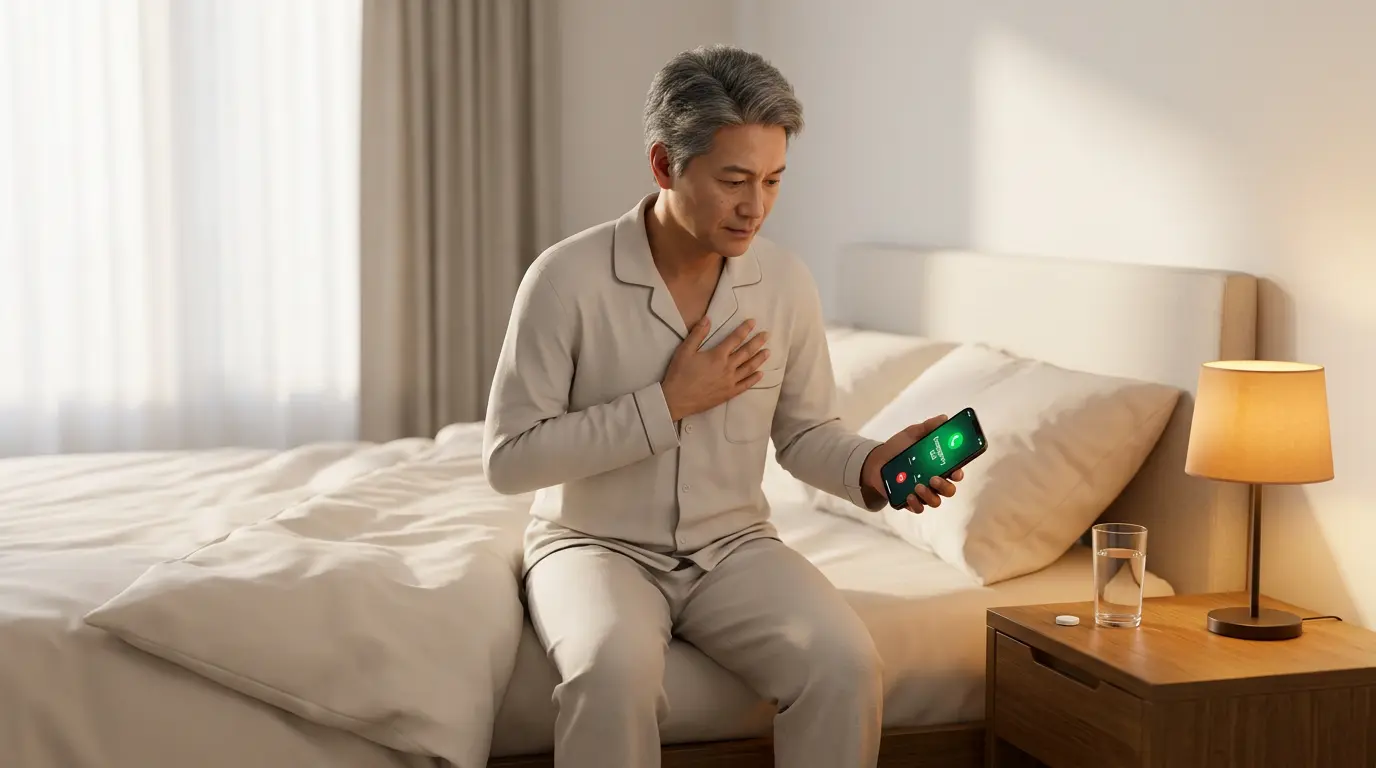
Emergency Notice: If you or someone nearby is experiencing symptoms of a heart attack right now, call 911 (USA) or 999 (UK) immediately. Do not read this article first.
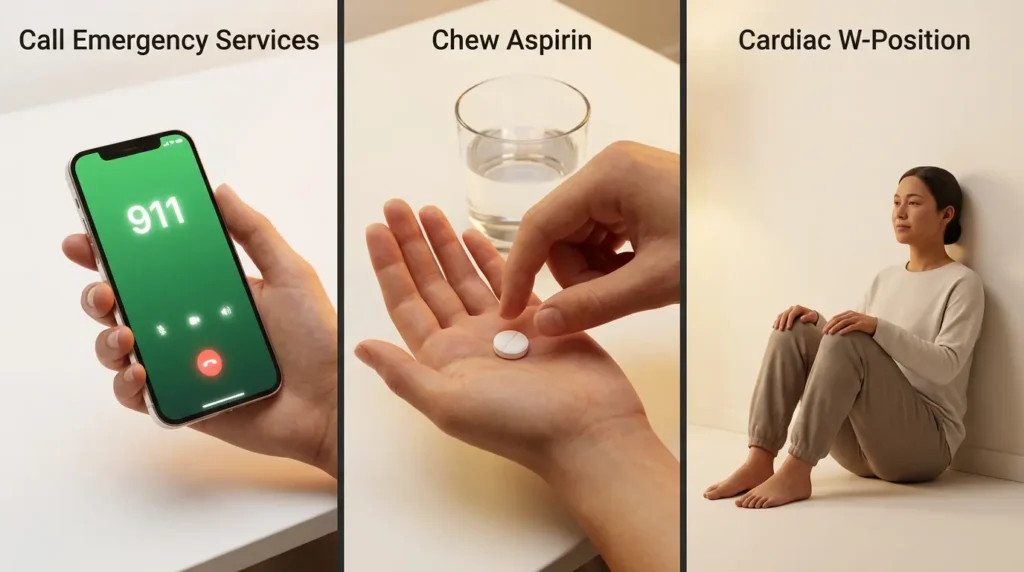
How to stop a heart attack in 30 seconds comes down to four immediate actions: call emergency services without hesitation, chew a 325mg aspirin tablet if one is available and you are not allergic, sit or lie down in a position that eases breathing, and loosen any tight clothing around your chest and neck. These steps do not cure a heart attack — nothing does except emergency medical intervention — but they give the cardiac muscle its best chance of surviving the critical minutes before paramedics arrive. Every second of delay during a heart attack costs approximately two million heart muscle cells. The first 30 seconds set the trajectory for everything that follows.
Recognizing a Heart Attack Before You Act
You cannot respond to a heart attack in 30 seconds if you spend the first two minutes convincing yourself it might be indigestion. Heart attack symptoms in the USA and UK are frequently misidentified, and that delay is one of the leading causes of preventable cardiac death.
The classic symptom is chest pain, pressure, or tightness that does not go away with rest. It often radiates to the left arm, jaw, neck, or upper back. But the American Heart Association notes that many people — particularly women — experience heart attacks with predominantly non-chest symptoms: nausea, sudden exhaustion, shortness of breath, lightheadedness, and cold sweats occurring without obvious physical cause. The NHS echoes this, specifically warning UK patients not to dismiss atypical symptoms as stress or muscle pain.
The practical rule is this: if the discomfort is unusual for you and involves any combination of chest, arm, jaw, or neck sensation alongside breathlessness, treat it as a heart attack until proven otherwise. Calling emergency services and being told it was not a heart attack costs you an hour of your evening. Not calling and being wrong costs far more.
The First 30 Seconds — What Stops a Heart Attack Fast
The first 30 seconds of a heart attack are the only window where immediate action meaningfully changes outcomes before professional help arrives. Here is exactly what to do, in order.
Call 911 in the USA or 999 in the UK the moment you suspect a heart attack. Do not call a family member first, do not search the internet, and do not drive yourself to hospital. Emergency dispatchers can begin guiding your response while ambulances are en route, and paramedics can begin treatment in the vehicle — treatment that no car journey provides. The UK Ambulance Service and the American Heart Association both emphasise that calling later rather than sooner is consistently associated with worse cardiac outcomes.
Chew — not swallow whole — one standard aspirin tablet at 325mg if you have one available and you are not allergic to aspirin or on a doctor’s instruction to avoid it. Chewing rather than swallowing speeds absorption into the bloodstream, where aspirin inhibits platelet aggregation and slows the clot formation that is blocking blood flow to the heart. This is the emergency tablet for heart attack that emergency services universally recommend and that both accessible competitors mention without adequately explaining why chewing specifically matters. If you only have low-dose 81mg aspirin, take four tablets to reach a comparable dose.
Sit down on the floor or against a wall with your knees bent — what emergency responders call the W-position or cardiac position — which reduces the strain on your heart compared to standing or lying completely flat. Loosen your belt, tie, collar, or bra strap to reduce physical constriction around the chest and allow the easiest possible breathing. Unlock your front door if you are home alone so paramedics can enter without delay.
Stay as calm as physically possible. Anxiety and panic elevate cortisol and adrenaline, which increase heart rate and blood pressure — exactly the conditions that accelerate cardiac muscle damage. Controlled breathing, even just slow deliberate inhales and exhales, measurably reduces this stress response.
Being alone during a heart attack is one of the most searched and least adequately covered aspects of this topic, and neither accessible competitor addresses it with enough specificity.
Call 911 or 999 first — before anything else, including unlocking your door or taking aspirin. Emergency dispatchers are trained specifically for solo cardiac events and will stay on the line with you, talking you through steps and keeping you conscious and responsive while help arrives. If you cannot speak clearly, leave the call connected — dispatchers are trained to locate you through GPS and treat a silent call as an emergency.
Unlock your front door immediately after making the call, or if your building has a buzzer system, prop the inner door if possible. Paramedics losing time breaking down a door is a documented cause of preventable delay in cardiac response. Leave the door open and return to the floor or wall in the W-position.
Do not attempt to drive yourself to hospital. The likelihood of losing consciousness behind the wheel is real, and the risk to you and others on the road is not justified given that an ambulance with cardiac equipment and trained paramedics will reach you faster in most urban and suburban US and UK settings. If you are in a genuinely remote rural area with documented long response times, the calculus may differ — have this conversation with your doctor before an emergency, not during one.
The viral advice about cough CPR — the idea that forceful coughing during a heart attack can sustain circulation — is not supported by the American Heart Association or the NHS for use by conscious patients outside of specific clinical settings. Do not attempt it as a substitute for calling emergency services.
The 7 Second Trick to Prevent Heart Attack — What the Evidence Actually Says
The phrase “7 second trick to prevent heart attack” has circulated widely online and refers, in most versions, to either a specific breathing technique or a pressure-point method claimed to stop a cardiac event within seconds. No competitor currently ranking on this keyword addresses the viral claim directly — which is a significant content gap and a genuine service to readers who arrive with this specific question.
The honest answer is that no 7-second trick has been validated by the American Heart Association, the British Heart Foundation, or any peer-reviewed cardiology research as a method to stop an active heart attack. The origin of most versions of this claim is misattributed social media content, frequently associating it with breathing exercises derived from legitimate stress-reduction research that was never studied in the context of acute myocardial infarction.
This matters enormously for a practical reason: someone who believes a breathing trick will stop their heart attack may delay calling emergency services for those crucial minutes, which directly increases cardiac muscle damage and mortality risk. The only evidence-based response to an active heart attack remains calling 911 or 999, chewing aspirin if available, and resting in a supported position.
Breathing slowly and deliberately during a heart attack does help — not by stopping the cardiac event, but by reducing the sympathetic nervous system activation that accelerates damage. That is a meaningful difference. The technique has a real, limited role as a calming tool alongside emergency response, not as a replacement for it.
Emergency Tablet for Heart Attack — Aspirin and Prescribed Nitrates
Aspirin is the primary evidence-based emergency tablet for heart attack that any adult without a known allergy or doctor’s contraindication should have accessible, particularly anyone with known cardiovascular risk factors. The mechanism is specific: aspirin inhibits thromboxane A2, a chemical that causes platelets to clump together and form the clots that block coronary arteries during most heart attacks.
The dose matters. The 325mg standard tablet is the emergency dose recommended by the AHA. Low-dose 81mg aspirin — widely taken as a daily preventive measure — can be used in multiples to reach an equivalent emergency dose if that is all that is available.
For individuals who have been prescribed nitrates — medications including sublingual nitroglycerin tablets or sprays — these should be taken as directed by the prescribing physician during chest pain events. Nitroglycerin works by dilating blood vessels and reducing the heart’s workload, which can relieve ischemic chest pain. It is a prescription medication and should not be taken by anyone not prescribed it, particularly those who have taken phosphodiesterase-5 inhibitors (such as sildenafil or tadalafil) within 24–48 hours, as the combination can cause a dangerous drop in blood pressure.
If you are a heart patient with prescribed emergency medication, store it within immediate reach of where you sleep and make sure at least one other person in your household knows where it is.
How to Avoid a Heart Attack While Sleeping
Nighttime and early morning hours represent a statistically elevated risk window for heart attacks. Research published in the European Heart Journal has documented higher rates of cardiac events in the hours between midnight and 6am, driven by circadian-rhythm-linked changes in blood pressure, platelet stickiness, and cortisol levels that all peak in the early morning hours.
Practical steps that reduce nighttime cardiac risk are well-documented. Sleep apnoea is one of the most modifiable independent risk factors for nocturnal heart attacks — it causes repeated oxygen desaturation events throughout the night that stress the cardiac muscle and drive inflammation. If you snore heavily, wake frequently, or feel unrested despite adequate sleep hours, a sleep study is a clinically validated risk-reduction step.
Sleeping position has a more modest effect: sleeping on the right side puts slightly more pressure on the heart in some anatomical configurations and is sometimes discussed in cardiac literature, though the evidence for specific position recommendations is not strong enough to constitute firm guidance. What is clear is that sleeping in a cool room (between 65–68°F or 18–20°C) supports lower resting heart rate and reduces overnight blood pressure variability.
Avoiding heavy meals, alcohol, and stimulants in the two to three hours before sleep reduces the overnight metabolic demand on the heart and lowers nocturnal blood pressure peaks. These are the most consistently supported lifestyle steps for reducing nighttime cardiac risk for both USA and UK adult populations.
How to Stop a Heart Attack Naturally — What Works and What Does Not
The phrase “how to stop a heart attack naturally” is searched by people who want to understand both prevention and acute response without relying entirely on pharmaceutical intervention. This is a legitimate area of interest, but it requires honest boundaries.
In terms of acute response — an active heart attack happening right now — there is no natural remedy that replaces calling emergency services. No supplement, herb, breathing technique, or dietary intervention stops an active coronary artery blockage. Anyone claiming otherwise in content or advertising is presenting information that could contribute to preventable death.
In terms of reducing the biological risk factors that lead to heart attacks, the evidence for lifestyle-based natural prevention is genuinely strong. The American Heart Association’s Life’s Essential 8 framework identifies eight modifiable factors — healthy diet, physical activity, non-smoking, healthy weight, blood pressure management, blood glucose management, cholesterol management, and healthy sleep — as the primary drivers of cardiovascular event prevention. Adherence to all eight reduces lifetime heart attack risk by up to 80 percent.
Specific dietary patterns with strong cardiovascular evidence include the Mediterranean diet, which is associated with a 30 percent reduction in major cardiovascular events in the landmark PREDIMED trial, and the DASH diet, specifically designed to reduce blood pressure. Omega-3 fatty acids from oily fish have demonstrated anti-inflammatory and anti-arrhythmic effects in multiple large trials. These are not replacements for emergency response — they are the foundation of the long-term cardiac health that makes emergency response less likely to be needed. For additional resources on heart-healthy lifestyle approaches for US and UK readers, buzzovia.com covers cardiovascular health, diet, and fitness topics in its health and wellness section.
Frequently Asked Questions
How to stop a heart attack in 30 seconds — is it really possible? No home action stops an active heart attack — only emergency medical intervention does. The 30-second window refers to the critical first-response actions that minimise cardiac muscle damage while waiting for paramedics: calling 911 or 999, chewing aspirin, sitting in a supported position, and staying as calm as possible. These actions do not cure the event but significantly improve survival odds.
What is the emergency tablet for a heart attack? The primary emergency tablet is aspirin at 325mg, chewed rather than swallowed whole to speed absorption. It slows platelet clotting that blocks coronary arteries. For patients with a prescription, sublingual nitroglycerin is a second emergency medication used for ischemic chest pain. Never take nitroglycerin if you have taken medications like sildenafil in the past 24–48 hours.
What to do during a heart attack when alone? Call 911 or 999 first. Unlock your front door. Chew aspirin if available and not contraindicated. Sit in the W-position against a wall with knees bent. Leave the emergency call connected even if you cannot speak. Do not drive to hospital. Do not attempt cough CPR.
Does the 7 second trick prevent heart attacks? No credible cardiology body — including the American Heart Association or the British Heart Foundation — endorses any 7-second trick as a validated method of stopping an active heart attack. The viral claim is not supported by peer-reviewed research. Believing it can delay calling emergency services, which increases cardiac muscle damage.
How to avoid a heart attack while sleeping? Get tested for sleep apnoea if you snore or feel unrested. Sleep in a cool room (65–68°F / 18–20°C). Avoid heavy meals, alcohol, and stimulants within two to three hours of sleep. Maintain controlled blood pressure and cholesterol through your physician’s recommended protocol. These steps reduce the elevated nocturnal cardiac risk that has been documented in cardiovascular research.
Can you stop a heart attack naturally? Natural lifestyle practices — Mediterranean or DASH diet, regular moderate exercise, non-smoking, healthy weight, quality sleep — reduce the biological risk of heart attack by up to 80 percent according to the AHA’s Life’s Essential 8 framework. They do not stop an active cardiac event. During an active heart attack, calling emergency services is the only clinically validated response.
Conclusion
How to stop a heart attack in 30 seconds means acting without hesitation inside the window where action still changes outcomes: call 911 or 999, chew aspirin, sit down, and stay calm. It does not mean stopping the event through a home remedy or a viral trick — no such thing exists in evidence-based medicine. The 7-second trick is not validated, cough CPR is not recommended for conscious patients, and no natural supplement stops a coronary blockage. What natural approaches do accomplish, applied consistently before any emergency occurs, is a meaningful reduction in the biological risk that leads to the emergency in the first place. Know the symptoms, keep aspirin accessible if you are at risk, unlock your door the moment symptoms begin, call emergency services before everything else, and let the paramedics do what they are trained to do.
⚠️ Medical Disclaimer: This content is for informational purposes only and is not a substitute for professional medical advice, diagnosis, or treatment. Always seek the advice of your physician or a qualified health provider with any questions you may have regarding a medical condition. In an emergency, call 911 (USA) or 999 (UK) immediately.


-
 Blog7 months ago
How Much Does It Cost to Rent a Porta Potty? (2026 Pricing Guide)
-
Lifestyle9 months ago
The Ultimate Guide to Choosing Contact Lenses for Beginners
-
Lifestyle8 months ago
Babydollkaila: The Alt-Fashion Icon Redefining Digital Style
-
Blog7 months ago
Common Questions About Workplace Rights
-
News10 months ago
Hong Kong Fire: The Tragedy That Shook a City
-
News9 months ago
Is Debby Clarke Belichick Still Alive? 2025 Update & Truth
-
Uncategorized8 months ago
Healthy Habits for Supporting Women’s Hair Wellness
-
News9 months ago
Melissa Sinkevics: The Woman Behind the Pageant Crown