Health
The Role of Breathing and Mobility Training During Prenatal Fitness Programs in Singapore

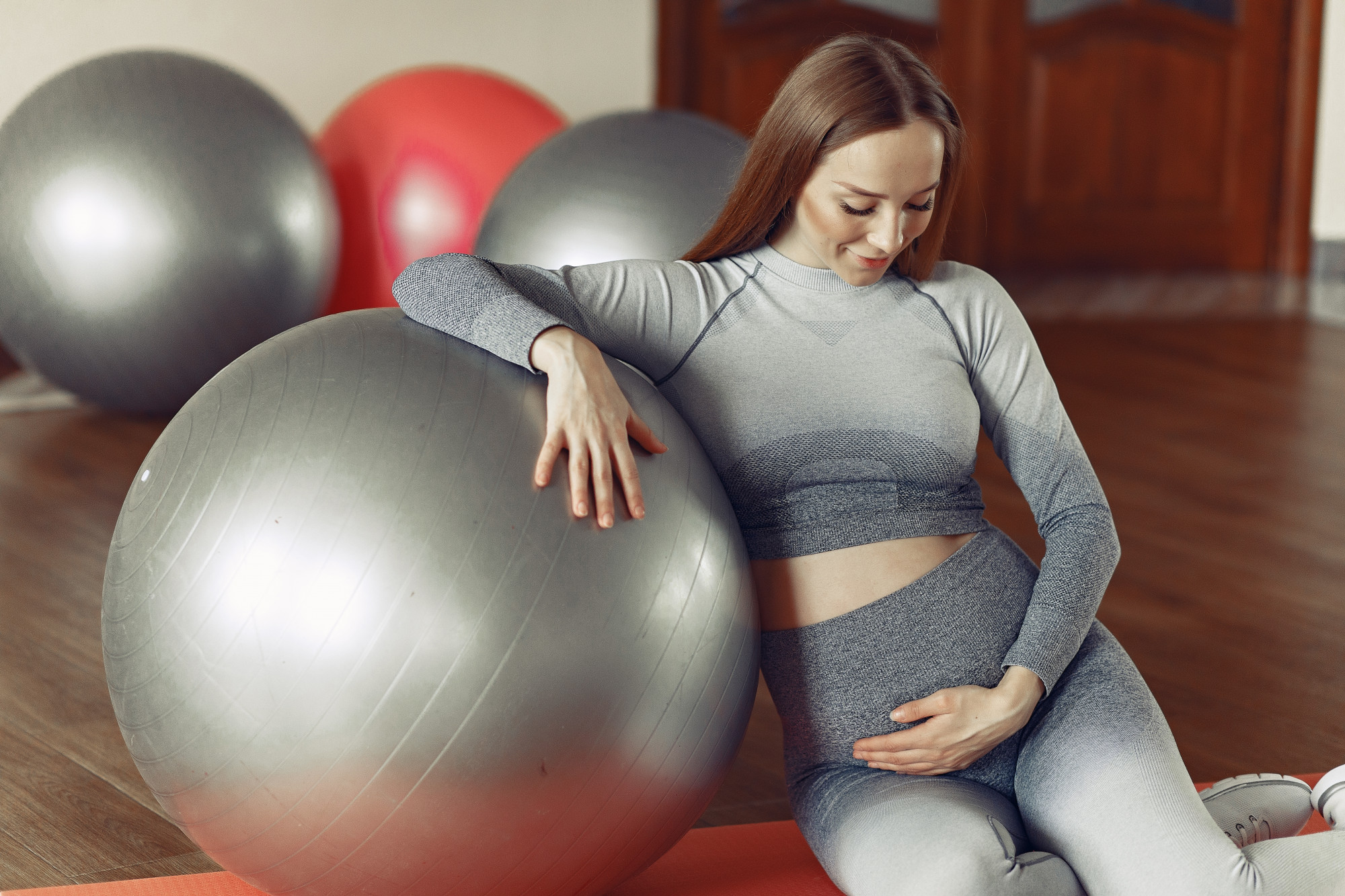
Prenatal fitness is not about pushing your physical limits. It is getting your body ready for the many physical demands of labour and childbirth. Breathing and mobility training programs in Singapore prepare expectant mothers for these challenges. As a result, expectant mothers can enjoy multiple physical and physiological benefits, making things easier for them during pregnancy and postpartum recovery.
Key Takeaways
- How you breathe during pregnancy matters, strengthening your pelvic and abdominal muscles and ensuring safe childbirth and quick postpartum recovery.
- Improper breathing during pregnancy weakens the pelvis and abdominal muscles, increasing the risk of detachment during or after childbirth.
- Each trimester demands something different. The first trimester is focused on getting ready for the challenges of the pregnancy, the second trimester is focused on adapting to the changing body needs, and the third trimester is focused on getting the body ready for labour, delivery, and postpartum recovery.
Breathing and mobility training are among the most important aspects of prenatal personal training in Singapore. Unfortunately, they are also the most underrated and overlooked training programs for expectant mothers in Singapore. With proper breathing and targeted body movement during your pregnancy, you will be able to protect your tummy muscles, strengthen your pelvic floor, reduce common body pains, and prepare your body for labour.
Why Your Breathing Patterns During Pregnancy Really Matter
Most expectant mothers are unaware of the fact that improper breathing puts unnecessary stress on their pelvic floor and abdominal muscles. Over time, this pressure can damage the pelvis and cause abdominal dysfunction, causing severe pain and discomfort. In the end, it could also endanger your labour and delivery, putting your own as well as your baby’s health and survival at risk.
However, learning proper and effective breathing patterns with the help of the best personal trainer in Singapore for your needs has a few essential benefits:
- You can ensure a strong pelvic area and abdominal muscles, as the breathing exercises help to reduce the downward pressure on your pelvic floor every time you move or get up.
- Your abdominal muscles are toned, and the risks of separation after childbirth are minimised. With the abdominal muscles being engaged regularly, they become strong enough to support your spine and growing baby bump without straining the front of your abdomen.
- With professional prenatal personal training in Singapore, this kind of breathing becomes natural by the time your final trimester approaches. As a result, your breathing will be natural during labour, ensuring a safe delivery and faster recovery during postpartum.
| Trimester | What to Focus On | Reason |
| First (Weeks 1–12) | Learning the basics of deep, diaphragmatic breathing | Build the habit early, before your bump changes your posture |
| Second (Weeks 13–26) | Expanding your ribcage sideways as the bump grows | Your growing uterus starts pressing on your diaphragm — breathing adapts accordingly |
| Third (Weeks 27–40) | Labour breathing and learning to release your pelvic floor on the exhale | Direct preparation for contractions and delivery |
Table: Changing breathing priorities for each trimester
Gentle Mobility Is Mandatory!
Pregnancy changes a woman’s body in ways beyond the visible baby bump. Key changes are:
- There is a shift in the body’s centre of gravity
- The body releases a hormone (Relaxin) to help loosen the muscles, joints, and ligaments during pregnancy.
Unfortunately, this also reduces the strength and stability of the joints and restricts everyday movements. As a result, prenatal personal training in Singapore also includes mobility training to help pregnant women counter these changes. Minor changes to movements can massively impact the way you move and the amount of pain you feel during everyday movement.
What Are The Benefits Of Mobility Training?
Mobility training focuses on:
- Reducing back pain and hip tightness due to the growing baby bump
- Posture improvement to reduce pain in joints
- Strengthening of the muscles that support the spine and pelvis
- Increasing core strength and stability
- Reducing fatigue and pregnancy-related discomfort
| Trimester | What the Movement Focus Looks Like | Areas Targeted |
| First (Weeks 1–12) | Gentle joint preparation, getting your spine moving freely | Upper and mid back, hips, and ankles |
| Second (Weeks 13–26) | Improving posture, keeping hips mobile and pain-free | Bottom muscles, hip flexors, upper back |
| Third (Weeks 27–40) | Opening up the hips, releasing pelvic tension, and decompressing the spine | Hip openers, pelvic floor release, and gentle spinal movements |
Table: Mobility training for each trimester
Breathing & Mobility Training Are No Longer Optional For Expectant Mothers
With trimester-specific prenatal personal training in Singapore, you will undergo breathing and mobility training customised to your pregnancy. This will help you protect your joints and manage the challenges that accompany a growing baby bump. This will keep you active and mobile at every step, while safeguarding you and your baby physically and physiologically.
Are You Hoping For A Hassle-Free Pregnancy?
Well, if you are, you should choose the best personal trainer in Singapore for your needs, and they will help you understand the changes in your body at every stage and adapt accordingly.


-
 Blog8 months ago
How Much Does It Cost to Rent a Porta Potty? (2026 Pricing Guide)
-
Lifestyle8 months ago
Babydollkaila: The Alt-Fashion Icon Redefining Digital Style
-
Lifestyle9 months ago
The Ultimate Guide to Choosing Contact Lenses for Beginners
-
News11 months ago
Hong Kong Fire: The Tragedy That Shook a City
-
Blog8 months ago
Common Questions About Workplace Rights
-
News10 months ago
Is Debby Clarke Belichick Still Alive? 2025 Update & Truth
-
News9 months ago
Melissa Sinkevics: The Woman Behind the Pageant Crown
-
Technology7 months ago
Sankkucomplex: What It Is & Why It Matters in 2026